June 1, 2026
Choosing the right commercial flooring for your space is crucial, as it plays a significant role in setting the tone of your business environment. The right flooring not only enhances the aesthetic appeal but also ensures functionality and durability. When selecting commercial flooring, it is important to consider various factors such as the nature of the business, foot traffic, and maintenance needs. A well-chosen floor can contribute to the efficiency of the workspace and the overall customer experience. This article explores the critical considerations for selecting the appropriate flooring for diverse business needs.
Understand the Needs of Your Business
Analyzing Foot Traffic
The level of foot traffic in your business space significantly impacts the type of commercial flooring you should choose. High-traffic areas require durable flooring materials that can withstand constant wear and tear. For instance, retail stores and hospitals experience heavy foot traffic and benefit from robust flooring solutions. In contrast, offices might prioritize comfort and acoustics over extreme durability. Analyzing foot traffic helps in selecting a flooring option that maintains its appearance and functionality over time.
Identifying Functional Requirements
Functional requirements vary greatly depending on the type of business and its operations. For example, a restaurant requires flooring that is resistant to spills and easy to clean, whereas a gymnasium needs shock-absorbent and resilient flooring. Understanding these specific needs ensures that the flooring supports the daily activities of the business. Functionality also includes safety aspects such as slip resistance, which is critical in industries like healthcare. Tailoring flooring choices to functional demands enhances the overall effectiveness of the business environment.
Considering Aesthetic Preferences
Aesthetic appeal is a major consideration, as flooring contributes significantly to the overall look and feel of the business space. The choice of commercial flooring should align with the brand image and create a welcoming atmosphere for both customers and employees. For businesses that rely on visual appeal, such as retail and hospitality, the flooring choice can influence customer perceptions. There are numerous design options available, from classic hardwood to modern polished concrete, allowing for creative expression. Balancing aesthetics with functionality ensures a cohesive and attractive business environment.
Budget Considerations
Budget is often a primary constraint when selecting commercial flooring, requiring a balance between cost and quality. Initial costs include materials and installation, but long-term expenses such as maintenance and replacement should also be considered. It is important to evaluate the lifecycle cost of flooring options to ensure they fit within the financial plan. Affordable options like vinyl can provide both durability and style without breaking the bank. Smart budgeting allows businesses to invest in flooring that meets their needs without compromising financial stability.
Long-Term Maintenance Needs
Maintenance is a critical factor in the longevity and appearance of commercial flooring. Different materials require varying levels of upkeep; for instance, natural stone may need regular sealing, while carpets require frequent cleaning. Understanding these needs helps in choosing a flooring type that aligns with the business's capacity for maintenance. Low-maintenance options can lead to cost savings in the long run and reduce downtime for cleaning. A maintenance-friendly flooring choice ensures that the business environment remains functional and visually appealing over time.
Consider the Types of Commercial Flooring Materials
Epoxy Flooring
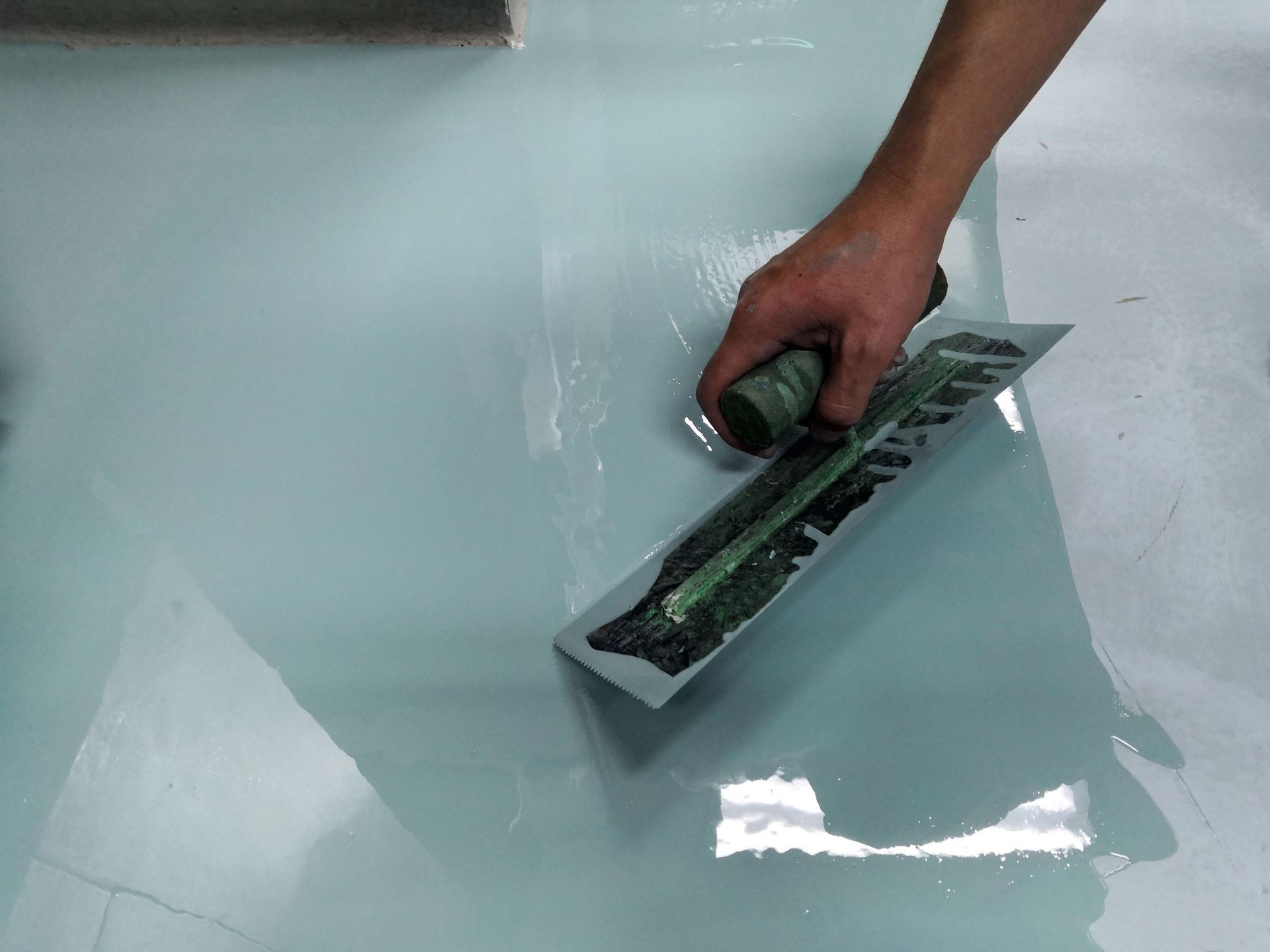
Epoxy flooring is widely used in commercial and industrial settings where durability and performance are non-negotiable. According to Encyclopaedia Britannica, epoxy is a type of plastic made from epoxide groups, or molecules with special three-ring structures. This results in a seamless, hardened surface that resists heavy impact and chemical exposure.
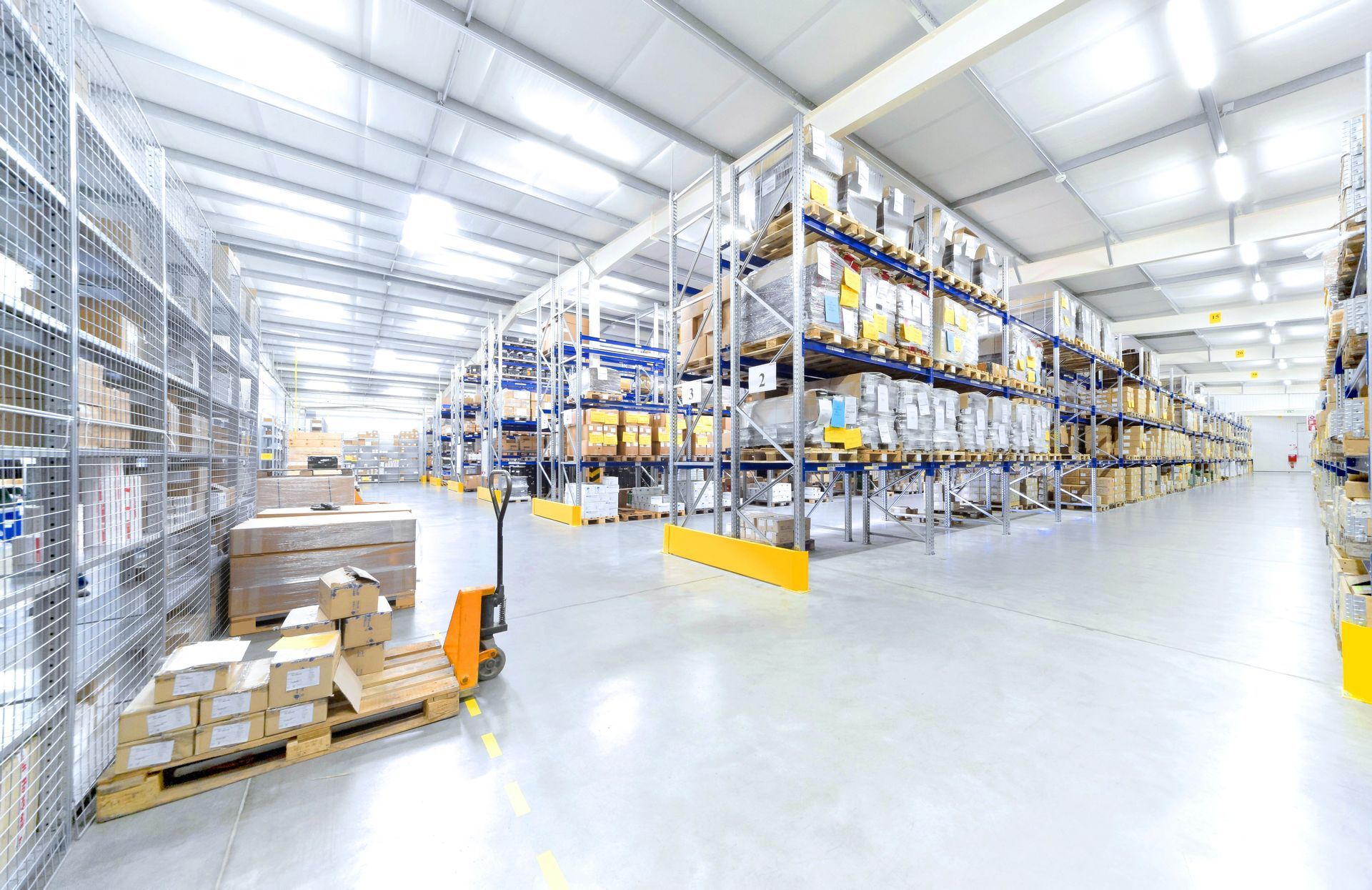
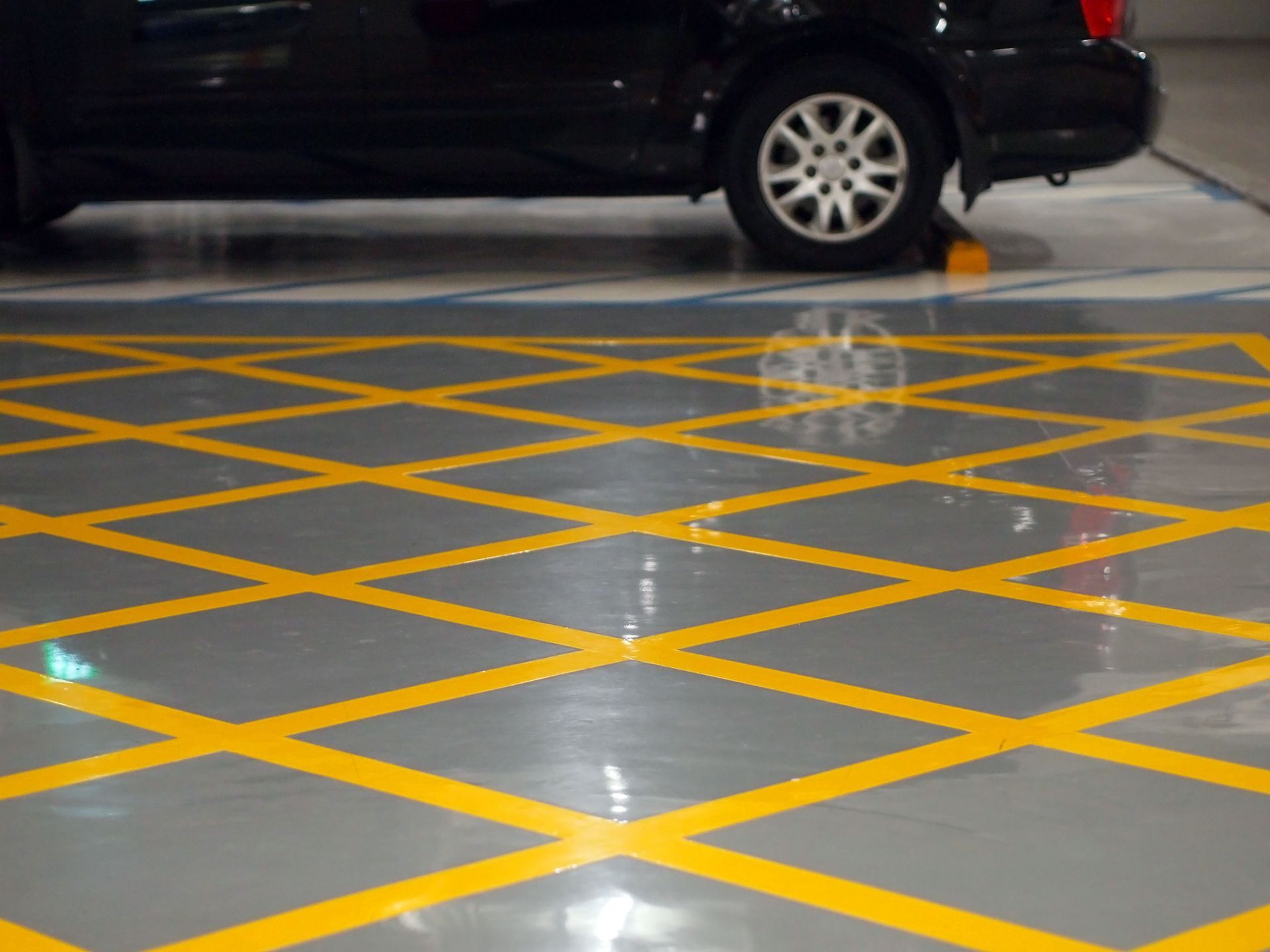
This makes it especially suitable for warehouses, automotive facilities, healthcare environments, and manufacturing plants where floors are exposed to constant stress. Its non-porous finish also supports hygiene by preventing liquids and contaminants from seeping into the surface, making cleaning more efficient and consistent. Beyond performance, epoxy flooring can also be customized with colors, safety lines, and textures to support operational flow and workplace safety.
Kitchen Flooring
Commercial kitchen flooring must perform under some of the most demanding conditions in any business environment, including heat, grease, moisture, and continuous foot traffic. Because of this, slip resistance, hygiene, and ease of cleaning are essential considerations when selecting materials.
Common options include quarry tile, sealed concrete, and commercial-grade slip-resistant vinyl, all chosen for their ability to withstand spills while maintaining traction underfoot. In busy food service environments, flooring also plays a key role in safety compliance by helping reduce slip-and-fall risks. Additionally, low-joint or seamless designs are often preferred because they reduce areas where grease and bacteria can accumulate, supporting higher sanitation standards.
Manufacturing Flooring
Manufacturing flooring is engineered to withstand some of the most intensive working conditions in the commercial sector. These environments often involve heavy machinery, constant movement of goods, chemical exposure, and high-impact loads that demand a highly resilient surface.
Materials such as reinforced concrete, industrial epoxy systems, and heavy-duty vinyl are commonly used because they offer long-term resistance to abrasion, wear, and structural stress. In addition to durability, manufacturing flooring often includes slip-resistant finishes and marked safety zones to support operational safety and workflow efficiency. In large-scale facilities, investing in the right solution not only reduces maintenance disruptions but also supports productivity and long-term cost efficiency.
Evaluate Durability and Longevity
Wear and Tear Resistance
Durability is a key factor in selecting commercial flooring, as it determines how well the surface withstands daily wear and tear. Different materials offer varying levels of resistance to foot traffic, furniture movement, and environmental conditions. For high-traffic areas, materials like ceramic tiles and commercial-grade vinyl are preferred for their robustness. By choosing materials that resist wear and tear, businesses can ensure their flooring remains functional and visually appealing over time.
Moisture Resistance
Moisture resistance is crucial for flooring in environments prone to spills, humidity, or water exposure. Moisture-resistant flooring prevents damage such as warping, swelling, and mold growth, which can compromise safety and aesthetics. In sectors like healthcare and hospitality, where hygiene is paramount, moisture-resistant flooring is essential. Choosing the right moisture-resistant material ensures the longevity and integrity of the flooring, even in challenging environments.
Scratch and Dent Resistance
Scratch and dent resistance are important considerations, especially in settings with high foot traffic or frequent movement of furniture and equipment. In retail and educational environments, maintaining a pristine appearance is crucial for customer experience and institutional image. Flooring that resists scratches and dents not only looks better but also reduces maintenance costs and extends the life of the floor. Investing in durable materials ensures that the flooring maintains its aesthetic appeal and functionality over time.
Slip Resistance
Slip resistance is a safety consideration that cannot be overlooked in commercial environments. Ensuring that flooring materials provide adequate traction reduces the risk of slips and falls, which are common workplace accidents. Slip-resistant flooring is especially important in areas prone to wet conditions, such as kitchens, bathrooms, and entryways. By prioritizing slip resistance, businesses can create a safer environment for employees and customers alike, minimizing liability and enhancing overall safety.
Maintenance and Repair
Maintenance and repair considerations play a significant role in the overall cost and longevity of commercial flooring. Different materials have varying maintenance requirements, affecting their suitability for specific environments. Selecting flooring that aligns with the business's maintenance capabilities ensures that the flooring remains in good condition, reducing long-term costs and disruptions.
Selecting the right commercial flooring involves a comprehensive evaluation of business needs, material options, and financial considerations. By understanding these factors and seeking professional guidance from the experts at Hoffman Flooring by ENECON NE LLC, you can choose solutions that enhance your operations and align with your brand image. Reach out to us today to get started with a free, no-obligation estimate!