October 1, 2026
In the contemporary business landscape, sanitation and cleanliness have become paramount. These qualities are not just desirable but essential for ensuring safety and fostering customer trust. With the ever-growing emphasis on cleanliness, commercial flooring solutions have evolved significantly to meet these demands. Selecting high-grade commercial epoxy flooring allows businesses to maintain pristine environments with minimal effort. This article delves into how different commercial flooring types, particularly seamless commercial epoxy flooring, can substantially improve sanitation and cleanability, benefiting businesses and their clientele.
Understanding Sanitation in Commercial Settings
The Importance of Hygiene in Public Spaces
Public spaces, such as schools, hospitals, and restaurants, witness heavy foot traffic daily, making hygiene essential for public health. Proper sanitation prevents the spread of diseases and ensures a safe environment for everyone. Businesses must prioritize cleanliness to meet regulatory requirements and safeguard their patrons. Flooring, covering vast areas, must be easy to clean and maintain to support these hygiene goals. Utilizing commercial epoxy flooring provides a resilient barrier that supports rigorous daily cleaning routines and acts as a frontline defense against the spread of germs and pathogens.
Common Sanitation Challenges Faced
Commercial settings face various sanitation challenges, including spills, dirt accumulation, and microbial contamination. High traffic areas often struggle with maintaining cleanliness due to constant wear and tear. Moreover, different environments experience unique issues—schools might deal with spilt art supplies, while restaurants encounter food spills. Therefore, choosing the right material, such as heavy-duty commercial epoxy flooring, is critical in addressing these challenges effectively. Durable, easy-to-clean surfaces can mitigate many sanitation issues and provide a consistently clean environment.
The Role of Flooring in Sanitation
Flooring is a pivotal part of any sanitation plan because it is in constant contact with everything that enters a space. Installing seamless commercial epoxy flooring decreases the risk of dirt and bacteria buildup, thus enhancing hygiene. Anti-slip features also minimize accidents, contributing further to overall safety in high-traffic areas. Businesses can reduce sanitation challenges significantly by selecting flooring types specifically designed for easy maintenance and durability. In fact, technological advancements have made modern commercial epoxy flooring solutions crucial in maintaining excellent hygiene standards.
Types of Commercial Flooring and Their Sanitary Benefits
Vinyl Flooring: Durability and Easy Maintenance
Vinyl flooring is celebrated for its robustness and simplicity in cleaning, making it popular in many commercial spaces. Its moisture-resistant qualities ensure that spills are easy to manage, maintaining hygiene without much hassle. This type of flooring is available in seamless sheets or tiles, generally preventing bacteria accumulation in joints. Furthermore, vinyl is economical, providing cost-effective durability over time. As the flooring industry continues to grow, with over 118,405 flooring installer businesses in the U.S. in 2025, according to IBIS World, vinyl continues to be in high demand due to these benefits.
Ceramic and Porcelain Tiles: Resistance to Moisture and Stains
Ceramic and porcelain tiles offer excellent resistance to stains and moisture, suiting them for locations where hygiene is a top priority. These tiles are naturally non-porous and often treated with sealants to enhance their moisture resistance, effectively preventing microbial growth. They are easy to clean, which makes them ideal for bathrooms and kitchens. Despite their resilience, these tiles require professional installation to ensure long-term effectiveness and seal integrity. With modern designs integrating more smart features, these tiles are now both aesthetically pleasing and functionally effective in maintaining hygiene.
Epoxy Flooring: Seamless and Non-Porous Solutions
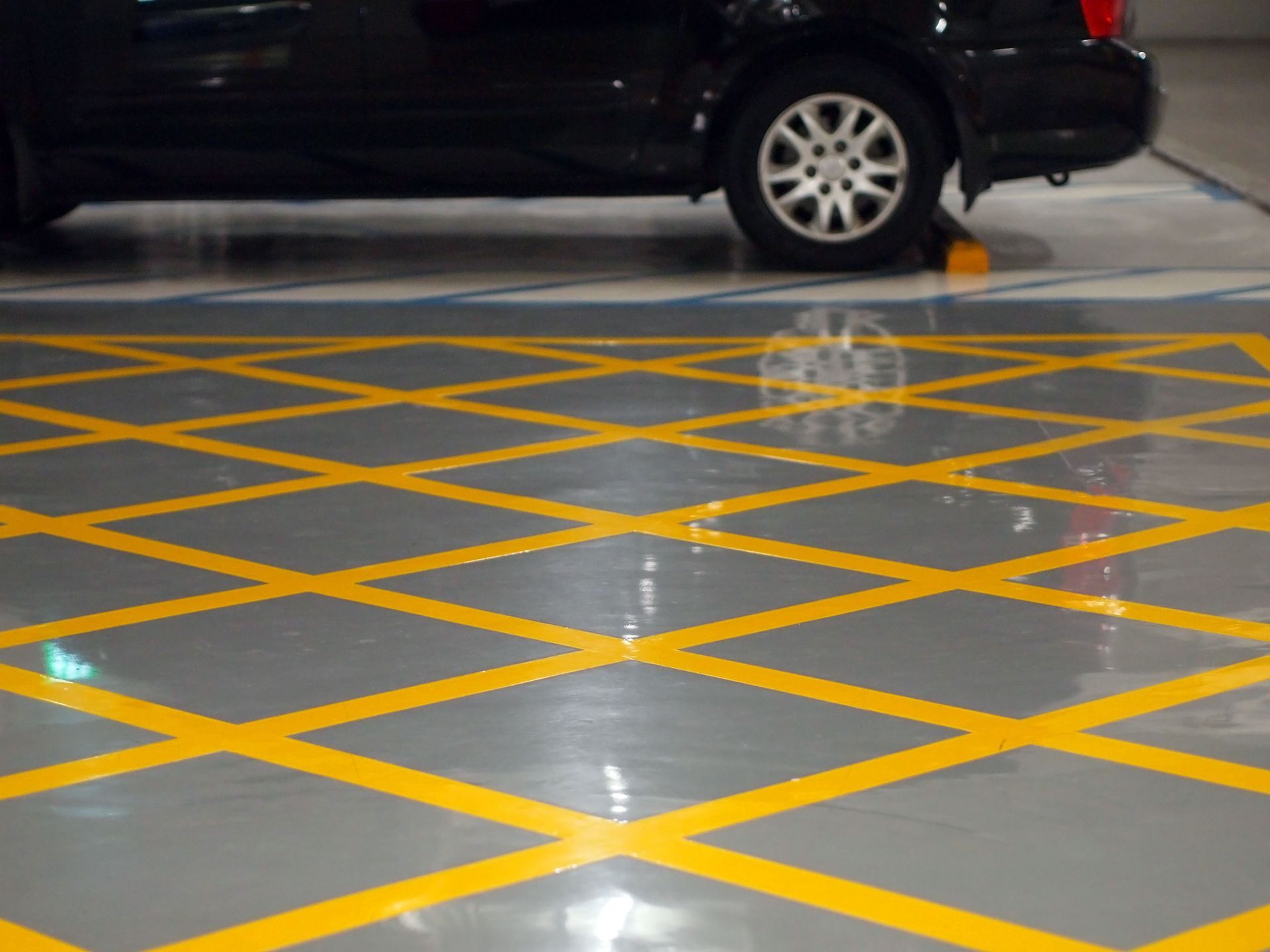
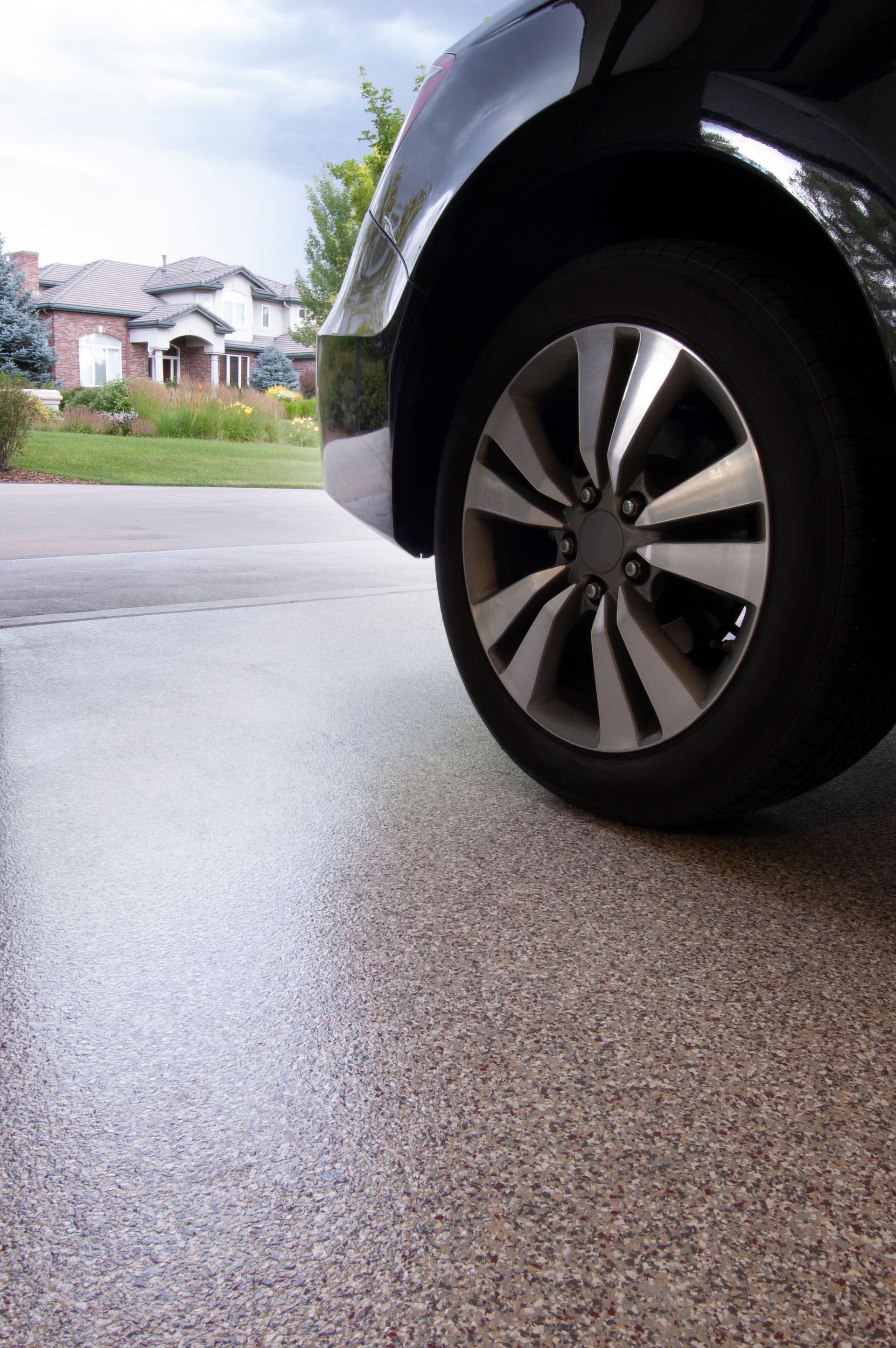
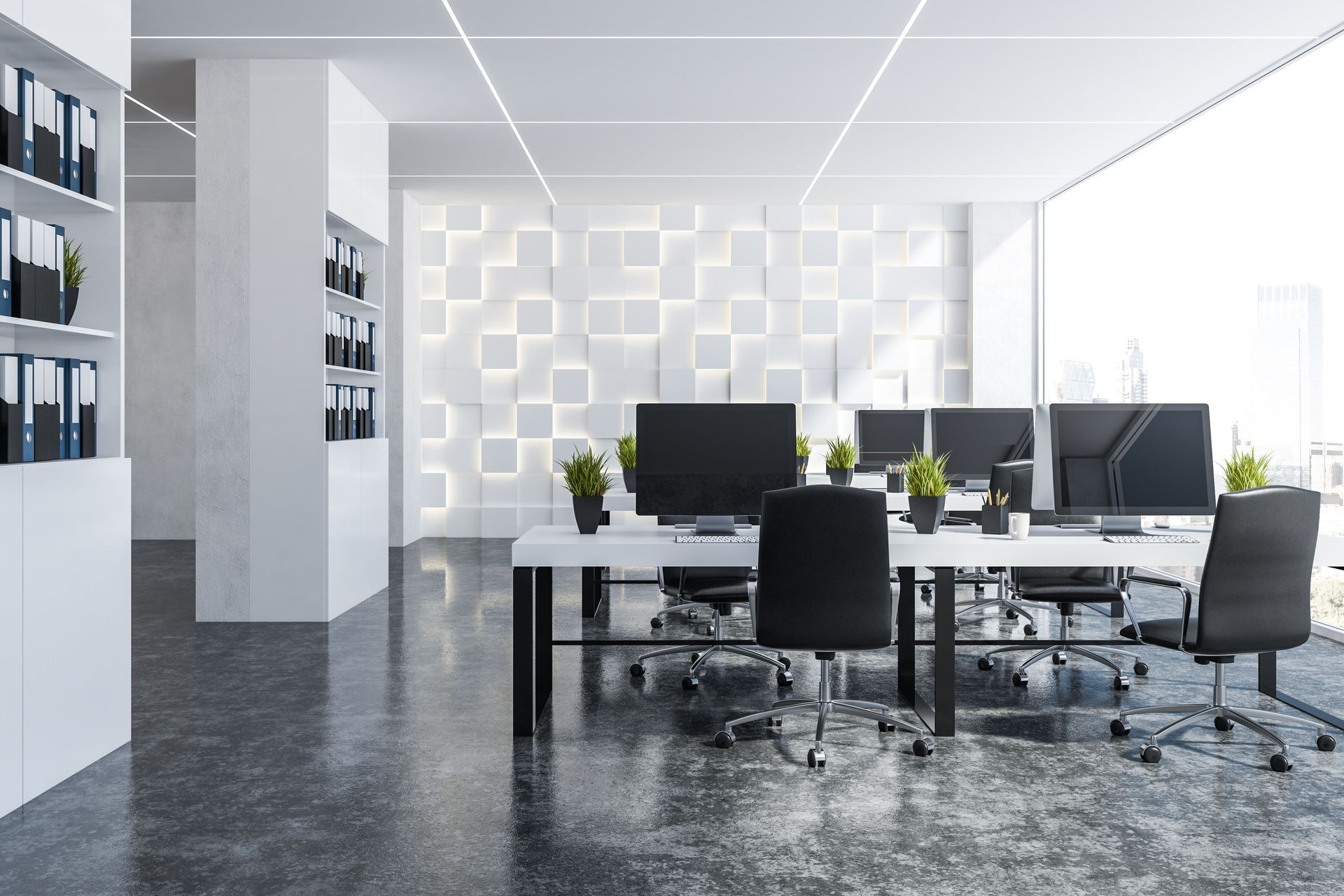
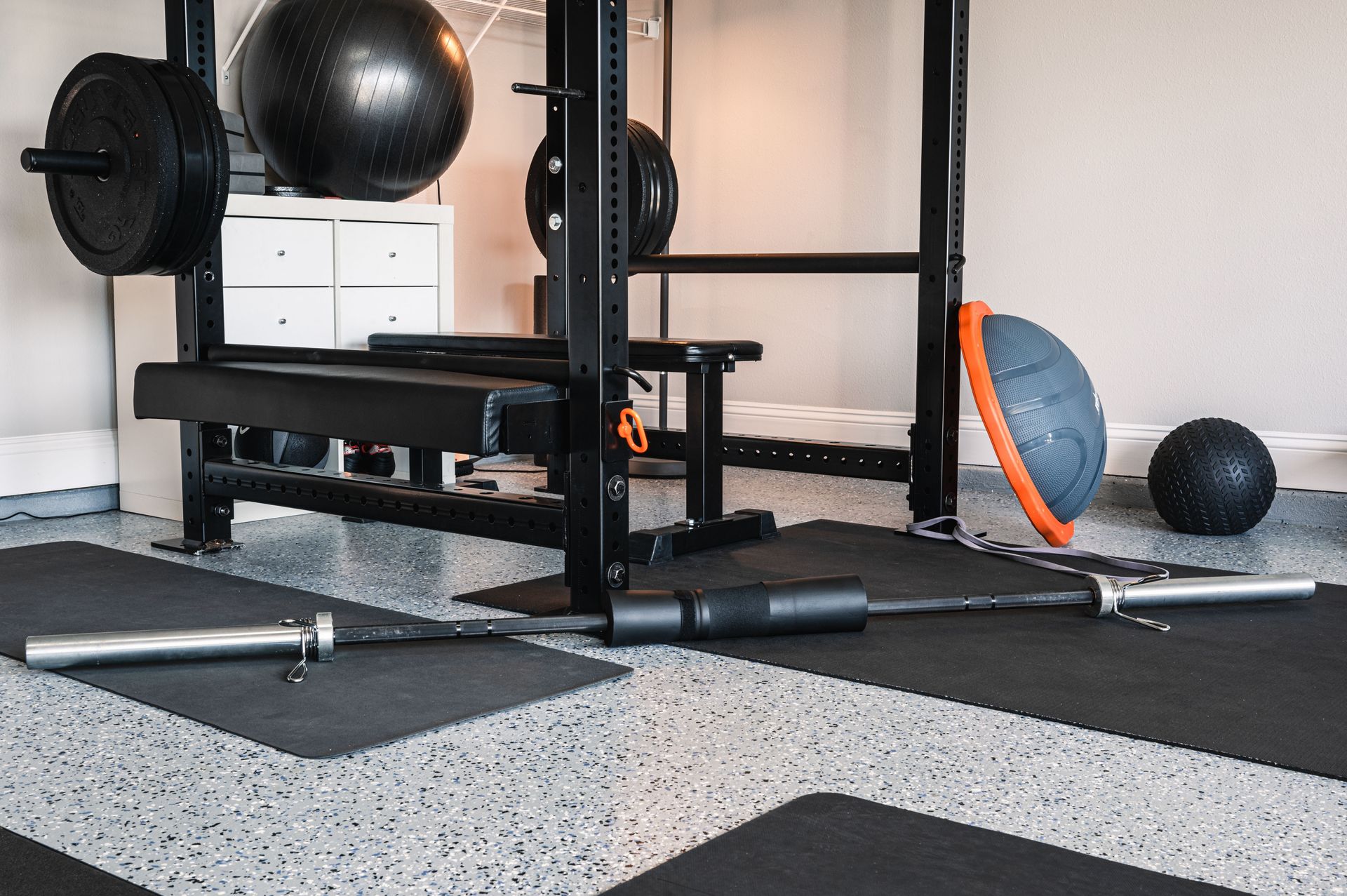
Choosing commercial epoxy flooring offers a seamless finish that combats dirt and germ accumulation, making it an ideal choice for industrial and commercial environments. Its non-porous surface means spills do not penetrate, and dirt can be cleaned away efficiently. Often used in environments demanding high levels of cleanliness, such as hospitals or laboratories, commercial epoxy flooring delivers sanitation benefits that are unmatched. Additionally, its durability reduces the need for frequent replacements, providing long-term savings. This flooring type reflects technological advancements prioritizing sanitation without compromising structural integrity.
Technological Advancements in Flooring for Enhanced Cleanability
Introduction of Antimicrobial Surfaces
Recent technological developments have allowed antimicrobial surfaces to become part of commercial flooring options, actively reducing bacteria and virus presence. Such surfaces, including specialized commercial epoxy flooring systems, use materials like silver ions integrated into the flooring, which deter microbial growth. This technology is particularly beneficial in healthcare and food preparation environments where strict hygiene controls are imperative. Antimicrobial floors represent a significant leap forward in flooring solutions focused on health and safety. The continuous growth of flooring installer businesses reflects the increasing adoption of such innovative solutions across industries.
Seamless Flooring Technology: Reducing Dirt and Germ Accumulation
Seamless flooring technologies are gaining traction for their significant role in maintaining hygiene standards. By eliminating grout lines or seams that traditionally harbor dirt and germs, commercial epoxy flooring enhances overall cleanability. These surfaces are also easier to disinfect, reducing labor and time required for regular sanitation duties. Such floors are ideal for heavily-sterilized environments like hospitals, where infection control is paramount. Innovations like these set new standards in the commercial flooring industry, emphasizing health and efficiency.
UV-Curable and Self-Cleaning Floors
UV-curable flooring solutions offer rapid installation and enhanced durability, providing excellent hygiene benefits. Self-cleaning floors embedded with photocatalytic properties represent a new frontier in sanitation. These surfaces break down organic compounds when exposed to light, effectively cleaning themselves over time. They promise lower maintenance costs and continually uphold sanitary standards. As the flooring industry evolves, such technologies illustrate the dynamic interplay of innovation focused on ease of maintenance and safety.
Evaluating Flooring Solutions for Specific Environments
Healthcare Facilities: Meeting High Sanitation Standards
Healthcare facilities demand flooring solutions that can withstand stringent sanitation standards due to high risks of infection. The flooring must be easy to disinfect, highly durable, and resistant to chemicals used in cleaning products. Vinyl, rubber, and chemical-resistant commercial epoxy flooring are often chosen for these environments for their cleanable nature and resistance to biological contaminants. Additionally, seamless floors help minimize germ and bacteria harboring regions. Considering the health implications, these facilities benefit from flooring solutions that ensure patient and staff safety.
Food and Beverage Industry: Ensuring Food Safety Compliance
In the food and beverage sector, flooring must comply with health regulations ensuring food safety. Floors need to be non-absorbent, easy to clean, and resistant to harsh cleaning chemicals. Ceramic tiles and high-grade commercial epoxy flooring are commonly used due to their resistance to spills and ease of maintenance. Compliance with hygiene standards is crucial, impacting both customer safety and business reputation. As this industry's landscape continuously evolves, innovative flooring solutions play a key role in upholding these standards.
Educational Institutions: Balancing Durability with Health Needs
Educational settings require floors that are not only durable to handle high foot traffic but also conducive to a clean learning environment. The floors must withstand the daily bustle of students while being easy to maintain and sanitarily sound. Vinyl and rubber options work well, while areas like cafeterias benefit greatly from commercial epoxy flooring due to its resilience and accessibility for daily cleaning. These options often incorporate antimicrobial properties, contributing to a healthier educational environment. By balancing these needs, schools can provide safe, durable flooring that supports both education and health imperatives.
The choice of commercial flooring plays a significant role in improving sanitation and cleanability, impacting both operational efficiency and customer satisfaction. As this article highlighted, different flooring types offer unique sanitary benefits tailored to diverse industry demands, with commercial epoxy flooring standing out as a premier solution for seamless hygiene. By focusing on long-term performance, sustainability, and technology integration, businesses can enhance hygiene, support health standards, and achieve cost benefits. Adapting to new advancements ensures that businesses maintain competitive and hygienic operations in an increasingly health-conscious world. Thoughtfully selected flooring not only meets regulatory demands but also enhances the overall safety and aesthetics of commercial environments. Contact Hoffmann Flooring by ENECON NE LLC today to learn more.