November 3, 2026
Selecting the ideal surface covering for residential, commercial, or industrial spaces requires balancing long-term durability, safety, aesthetic appeal, and financial value. Standard concrete substrates often present substantial challenges, as bare concrete remains inherently porous, prone to dusting, vulnerable to moisture infiltration, and easily stained by routine chemical spills. When property owners seek an enduring upgrade that transforms raw slabs into sleek, resilient surfaces, epoxy flooring stands out as an exceptional solution. This seamless resinous coating delivers unmatched protection against heavy mechanical impacts, aggressive vehicle traffic, and corrosive substances while simultaneously enhancing indoor ambient brightness. Understanding how this versatile application works and recognizing its widespread practical advantages enables homeowners, facility managers, and business operators to make confident improvements that preserve property integrity for decades. From private residential settings to demanding industrial complexes, selecting the right protective treatment preserves concrete investments and enhances daily functionality.
Understanding Chemical Reactions and Molecular Bonds
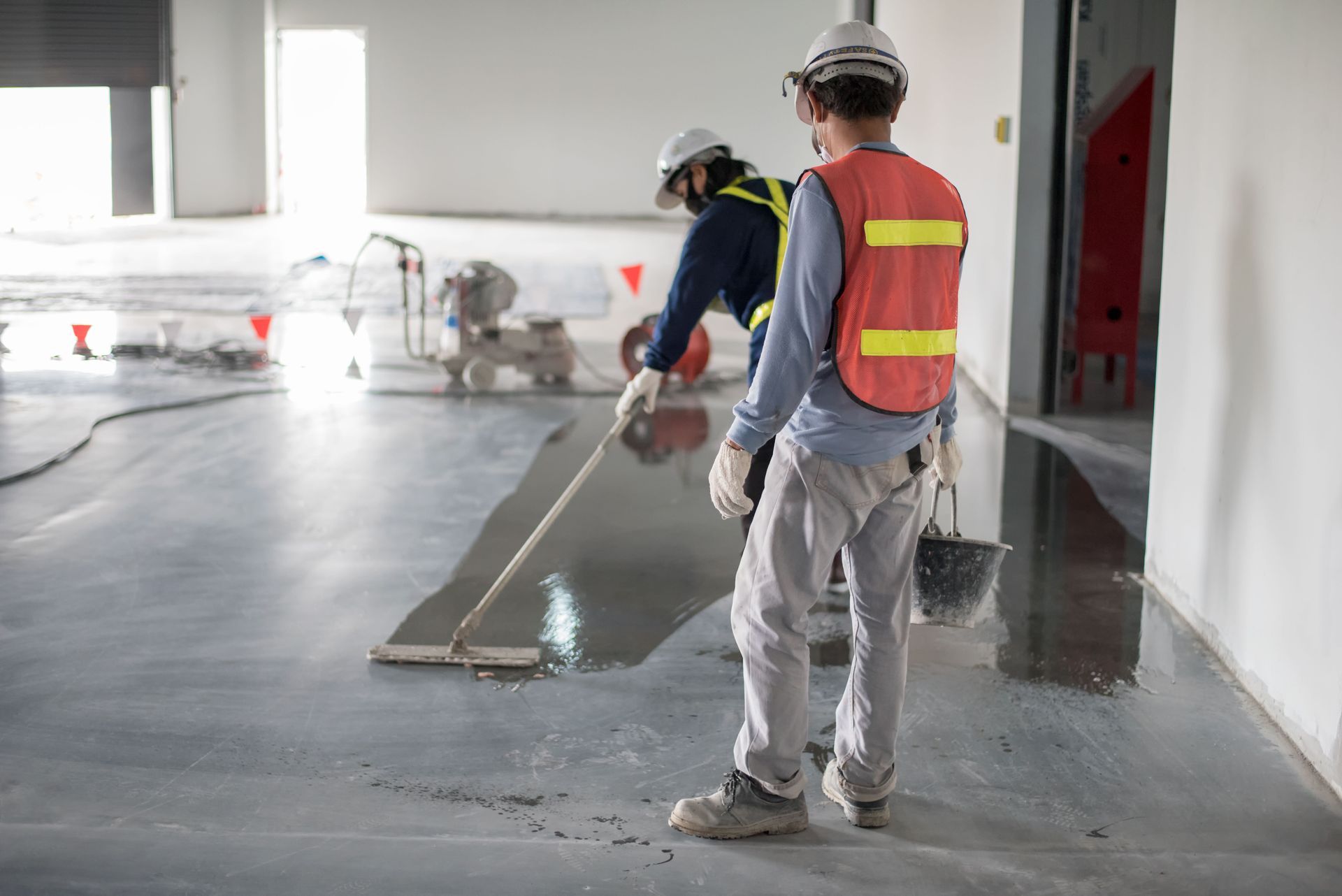
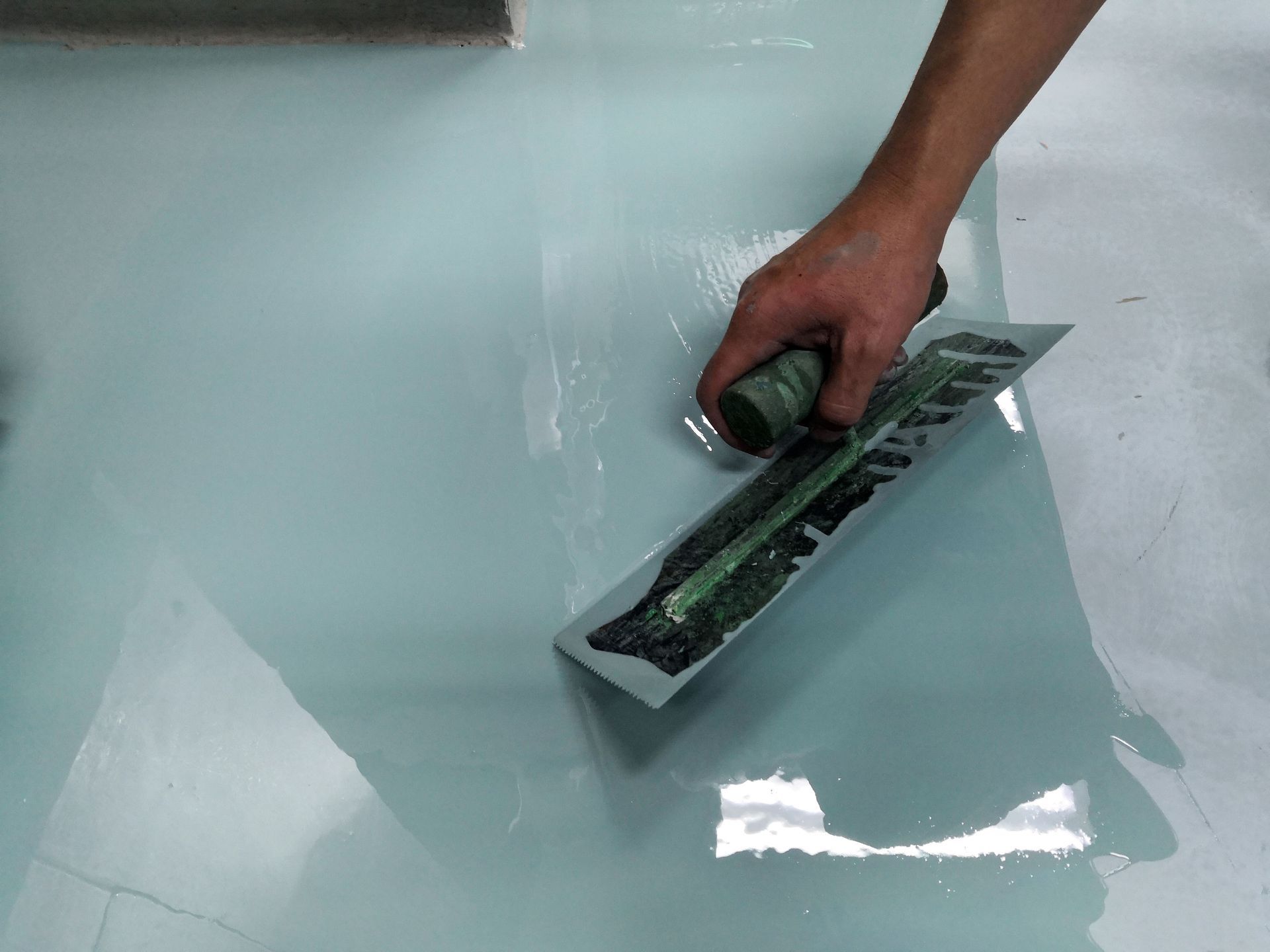
At its core, this specialized coating is not merely a topical coat of standard paint, but rather a thermosetting polymer created through an advanced chemical reaction. When liquid synthetic resins mix with specialized polyamine hardeners, an exothermic curing process initiates that transforms the liquid blend into an extremely rigid, crosslinked plastic matrix. This chemical bond adheres directly to properly profiled concrete substrates, fusing with microscopic pores across the slab rather than simply resting atop the surface. Because the cured resin forms an impermeable barrier, the resulting epoxy flooring eliminates common issues associated with concrete dusting and surface spalling that typically degrade unsealed commercial workshops and residential basements over time. Professional installers thoroughly clean, grind, and vacuum the concrete prior to application, ensuring that the liquid resin penetrates deeply into the porous profile for permanent adhesion.
According to HomeGuide, most epoxy flooring is 10 to 20 millimeters thick. This substantial physical profile provides an impenetrable shield that absorbs repeated mechanical pressures without cracking, peeling, or delaminating from the concrete beneath. Unlike conventional floor paints that quickly flake under hot automotive tires, a properly formulated resin system retains its structural adhesion through severe temperature swings and heavy operational demands. By effectively sealing the underlying substrate, the seamless layer blocks subterranean moisture vapor from degrading indoor air quality, creating lingering dampness, or weakening structural foundation materials.
Enhancing Structural Durability and Physical Strength
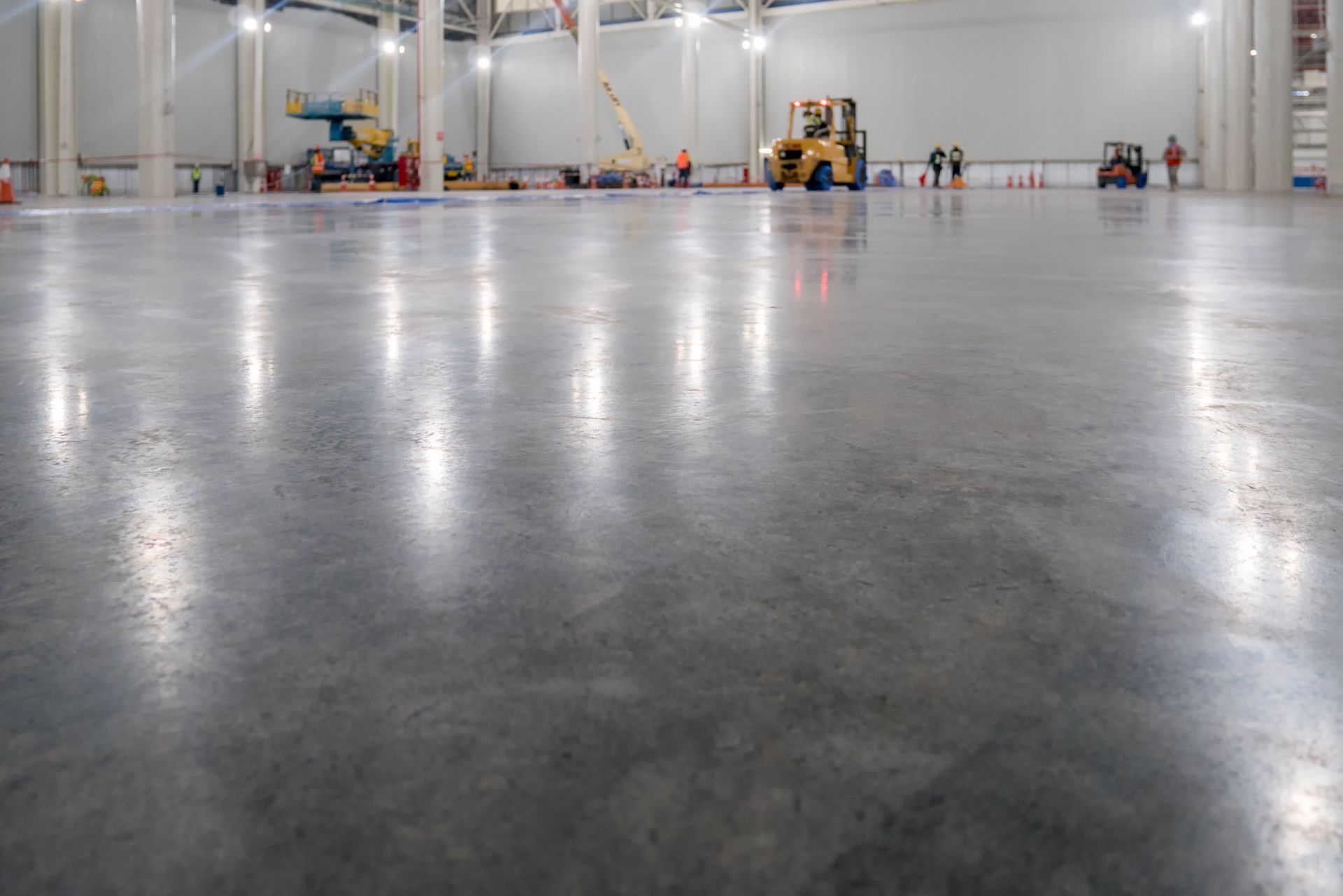
Everyday foot traffic, heavy rolling toolboxes, vibrating equipment, and parked vehicles exert tremendous stress on interior flooring materials. Traditional coverings like ceramic tile can crack under sudden tool drops, whereas wood materials warp and vinyl sheets tear when dragged across by loaded machinery. In contrast, heavy-duty epoxy flooring provides exceptional flexural and compressive strength designed specifically to withstand harsh industrial punishment and continuous friction. Warehouses, manufacturing plants, aircraft hangars, and residential garage environments benefit immensely from this resilience, which maintains a smooth, level plane despite continuous daily abuse and abrasive vehicular friction. In high-activity commercial environments, heavy pallets and motorized pallet jacks slide smoothly across the level surface without causing structural scratches or gouges.
Furthermore, the high impact resistance of resin coatings prevents aggregate fracturing that commonly occurs when heavy metal items strike bare concrete. Instead of crumbling under repeated weight transfers, the dense molecular structure dissipates shock evenly across the floor plane without chipping. This impressive toughness extends the operational lifespan of the concrete foundation itself, preventing expensive repairs and structural degradation down the road. Facility owners enjoy total peace of mind knowing that heavy machinery movement, forklift operations, and intense daily logistics will not compromise the integrity of their investment.
Resisting Hazardous Chemicals and Environmental Stains
In automotive workshops, chemical processing facilities, and home garages, floors frequently encounter aggressive substances that rapidly ruin unprotected surfaces. Motor oil, transmission fluid, gasoline, brake cleaners, bleach, and corrosive battery acid can penetrate unsealed concrete within minutes, leaving permanent dark stains and deteriorating the binder holding the slab together. Applying protective epoxy flooring establishes a nonporous, chemically inert barrier that completely repels harsh liquid reagents and petroleum distillates. Liquids remain safely on top of the cured resin rather than seeping down into the substrate, allowing for effortless containment and rapid spill cleanups. Maintenance crews can wipe away hazardous residues quickly, minimizing downtime and maintaining a secure, hazard-free workspace throughout demanding operational shifts.
In addition to automotive fluids and harsh industrial compounds, these durable resin coatings provide remarkable resistance against biological hazards, water damage, and winter deicing salts. When vehicles enter garage stalls following winter storms, melted snow carrying corrosive deicing chemicals pools directly across the floor. While bare concrete quickly absorbs this salty brine, suffering surface pitting, aggregate scaling, and premature crumbling, a cured resin system remains entirely unaffected. Medical clinics, commercial food preparation areas, and veterinary facilities also rely on this nonporous seal because it prevents bacteria, mildew, and hazardous pathogens from establishing colonies inside hidden pores.
Simplifying Routine Cleaning and Daily Maintenance
Maintaining large commercial buildings or busy residential utility spaces often requires considerable labor and continuous financial expenditure. Bare concrete continually sheds fine chalky dust caused by surface friction, creating a dusty haze that settles on stored items, machinery, inventory, and freshly washed cars. By encapsulating the porous concrete with high-performance epoxy flooring, property managers permanently halt dust generation at the source. This dramatic dust reduction keeps surrounding indoor environments substantially cleaner, improving air filtration efficiency and cutting down on repetitive dusting routines throughout the entire building. Workers and residents breathe easier knowing that fine particulate matter is no longer circulating through ventilation ducts or settling into delicate equipment components.
The seamless nature of resinous coatings also streamlines sanitation procedures by eliminating grout lines, seams, and expansion crevices where dirt typically accumulates. Dust mopping with a standard microfiber sweep easily removes loose dirt, while light mopping using gentle neutral cleaners restores a brilliant sheen without requiring harsh scouring chemicals or abrasive pads. Commercial facilities can wash down entire floor expanses rapidly using automatic floor scrubbers, saving valuable work hours, conserving water, and significantly lowering custodial payroll expenses over extended periods of continuous facility operation.
Elevating Visual Appeal and Modern Aesthetics
Beyond outstanding functional strength, resin systems offer tremendous aesthetic versatility that transforms dim, dreary utility areas into bright, inviting architectural spaces. Modern formulations accommodate diverse decorative elements, including vinyl color flakes, reflective metallic pigments, quartz granules, and custom color blends tailored to match corporate branding or interior design schemes. The high-gloss finish created by clear topcoats enhances ambient room illumination by reflecting overhead lighting across the entire space. This natural reflectivity brightens darker warehouses and garages, reducing the reliance on auxiliary lighting fixtures while creating a contemporary, professional appearance. Furthermore, customized color patterns can define distinct operational areas, helping facilities maintain strict organization and streamlined workflow patterns.
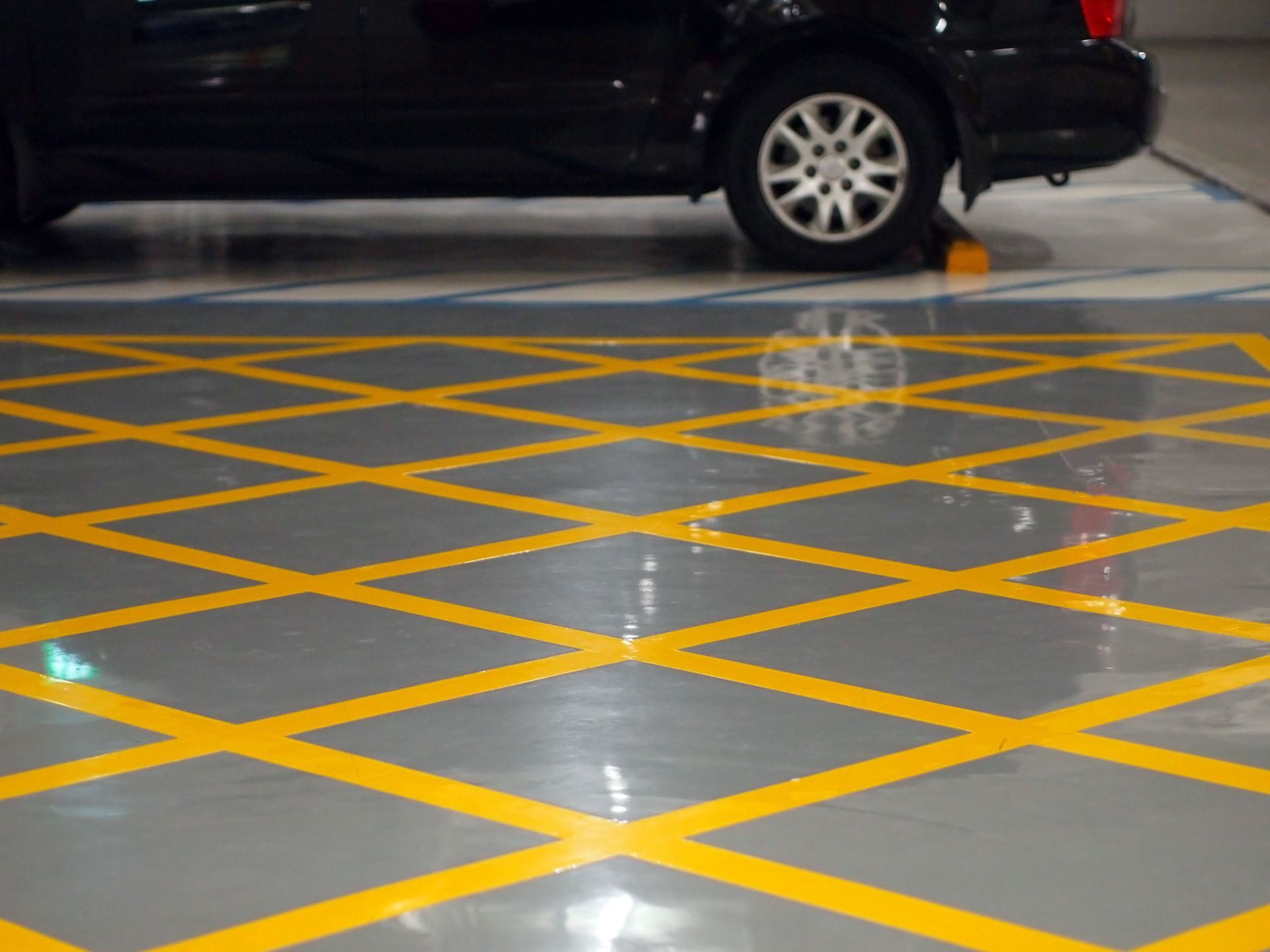
Property owners seeking personalized design can select distinct textures, border designs, and contrasting traffic lanes that designate specific safety zones or pedestrian walkways. These decorative options allow commercial showrooms, residential living areas, and retail shops to showcase stunning visual depth reminiscent of polished stone, flowing riverbeds, or terrazzo tile. By combining captivating design choices with relentless physical resilience, premium epoxy flooring delivers an exceptional return on investment that substantially elevates overall real estate market appeal and long-term property value.
Upgrading concrete surfaces with a high-performance resin system delivers an unbeatable balance of enduring strength, chemical defense, easy maintenance, and striking aesthetic beauty. Whether installed inside a bustling automotive repair shop, an expansive distribution center, or a residential garage workshop, this seamless covering protects structural slabs from relentless wear while providing a bright, clean, and highly functional atmosphere. Investing in professional application ensures proper surface preparation, maximum mechanical adhesion, and lasting performance that standard floor paints simply cannot achieve. If you are interested in exploring the incredible advantages of professional surface coatings and transforming your concrete spaces, reach out to the dedicated specialists at Hoffman Flooring by ENECON NE LLC to schedule an informative consultation.