August 27, 2026
Commercial spaces experience constant activity from employees, customers, visitors, equipment, carts, and deliveries. Over time, this movement can affect the appearance and condition of a flooring surface. Businesses need floors that can support daily operations while remaining functional and visually appealing. The right flooring system should also match the specific conditions of the property. Retail stores, warehouses, healthcare facilities, offices, and industrial spaces can all have different requirements. Epoxy flooring is often considered for commercial environments because it creates a durable, seamless surface over properly prepared concrete. Its long-term performance depends on factors such as installation quality, traffic levels, maintenance, and the conditions within the facility. Understanding how this flooring system performs can help property owners make more informed decisions.
Supporting Heavy Daily Traffic
Commercial buildings can experience significant foot traffic throughout the day. Employees may move repeatedly through work areas while customers and visitors travel through entrances, hallways, and common spaces. Over time, concentrated activity can cause certain sections of the floor to show more wear than others. Commercial epoxy floors provide a continuous surface designed to support demanding environments. Because epoxy is applied as a coating, it does not contain the same type of seams found between many individual flooring materials. This can create a smoother surface that is easier to maintain in busy areas. The appropriate system should be selected based on the expected amount and type of traffic. Careful planning before installation can help ensure the finished floor is suited to the property's daily activity.
Creating a Durable Protective Layer
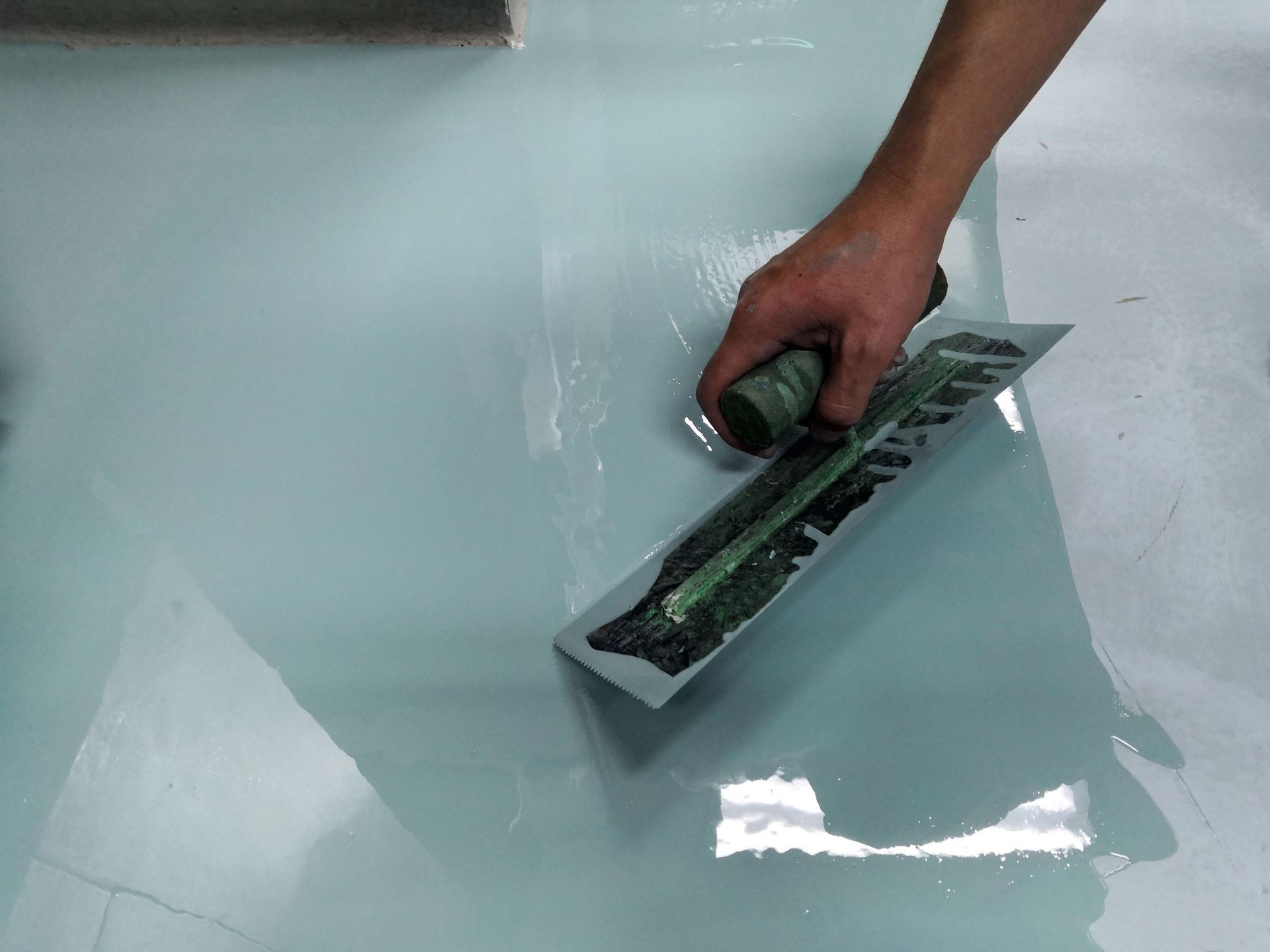
Concrete can be exposed to abrasion, impacts, moisture, dirt, and other conditions that affect its surface over time. An epoxy coating creates a protective layer that sits over properly prepared concrete. This additional surface can help reduce direct exposure to everyday wear. Different commercial environments may require different coating systems depending on how the floor will be used. A retail space may have different needs than a manufacturing facility or warehouse. Commercial epoxy floors can be selected and installed with the expected conditions in mind. Surface preparation is especially important because the coating needs to bond properly with the concrete below. When the installation process is handled correctly, the flooring system can provide durable support for everyday operations.
Reducing Wear in Busy Areas
Certain areas of a commercial property often experience more movement than others. Entrances, corridors, checkout areas, workstations, and loading areas may receive repeated traffic throughout the day. Dirt and debris carried in on shoes or equipment can also contribute to gradual surface wear. A durable flooring system can help protect the concrete from these demanding conditions. According to Grand View Research, the global market for epoxy coatings was estimated at $7.3 billion in 2025, reflecting continued demand for these coatings across a variety of applications. The growing market highlights the widespread use of epoxy-based products in environments where surface protection is important. Regular cleaning can also help prevent abrasive debris from remaining on the floor. Combining the right coating system with consistent maintenance can help support better long-term performance.
Simplifying Routine Cleaning
Commercial properties often need flooring that can be cleaned efficiently. Dirt, dust, and other debris can accumulate quickly in areas with heavy activity. A seamless epoxy surface can make routine cleaning more straightforward because there are fewer joints where material can collect. Cleaning procedures should still be based on the specific flooring system and the conditions within the building. High-traffic spaces may require more frequent attention than areas with limited activity. Commercial epoxy floors can support routine maintenance while providing a consistent finished appearance. Using appropriate cleaning methods can also help prevent unnecessary damage to the surface. A regular maintenance schedule can play an important role in preserving the floor over time.
Handling Equipment and Rolling Loads
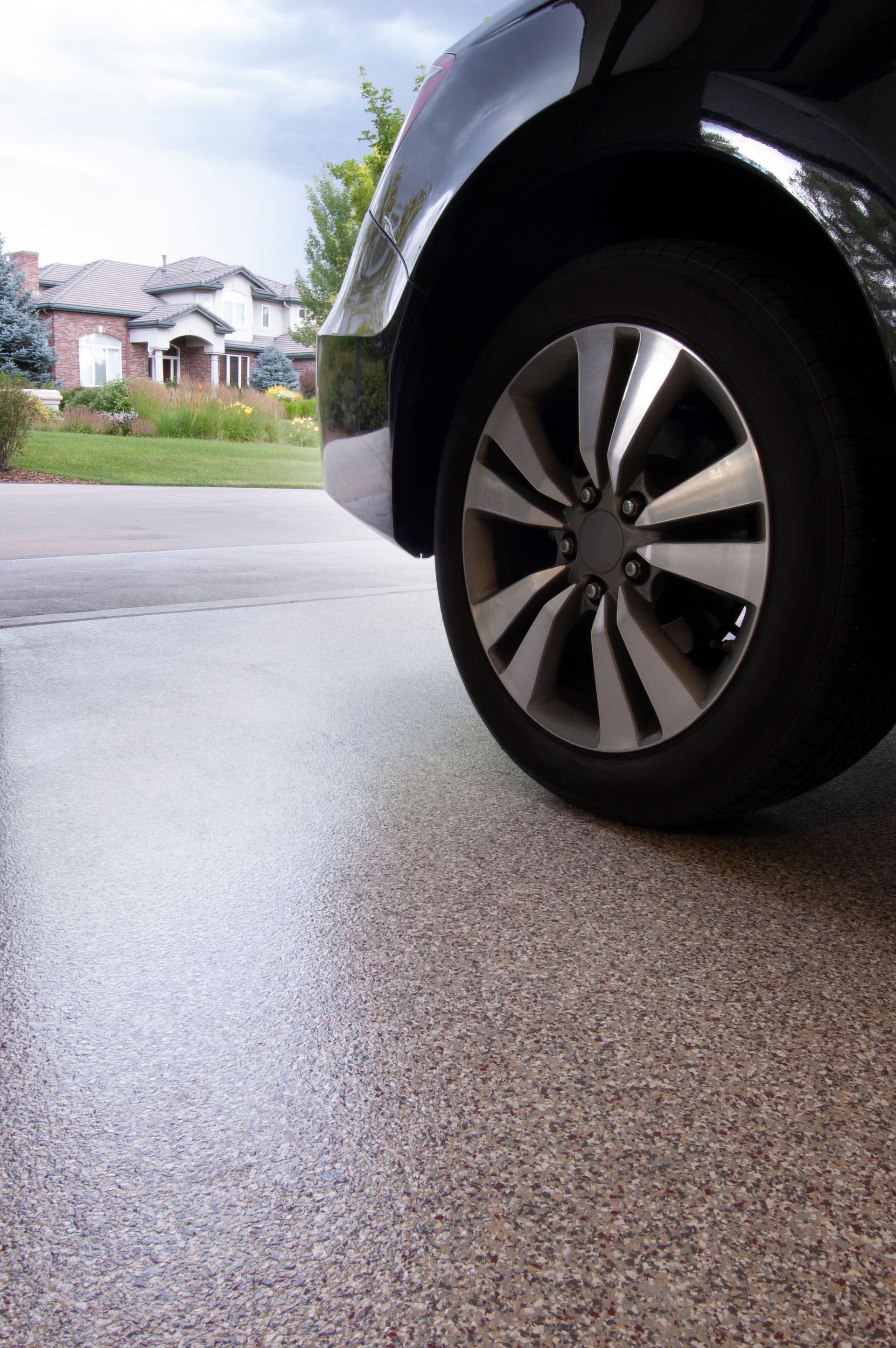
Foot traffic is not the only source of pressure placed on commercial flooring. Carts, dollies, pallet jacks, machinery, and other equipment can place additional demands on the surface. The type of equipment used in a facility should be considered before selecting a flooring system. Different spaces may require different levels of protection depending on their operations. Warehouses and industrial facilities, for example, may have more demanding conditions than an office or showroom. The flooring system should be selected to match the expected loads and movement within the property. Proper installation can help create a surface prepared for the specific conditions of the environment. Evaluating these factors before work begins can help businesses choose a more appropriate long-term solution.
Resisting Spills and Surface Stains
Commercial facilities may encounter spills involving water, oils, cleaning products, and other materials. If these substances remain on an unprotected floor, they may create stains or make cleaning more difficult. Epoxy coatings can provide a protective surface that helps businesses manage everyday spills. The level of resistance depends on the specific product and the type of substance involved. Property owners should consider the activities taking place in the facility when selecting a flooring system. Commercial epoxy floors can be designed for environments where exposure to certain materials is a regular concern. Prompt cleaning remains important for protecting the appearance and condition of the surface. Establishing proper procedures for spills can help maintain a cleaner and more functional workspace.
Maintaining a Professional Appearance
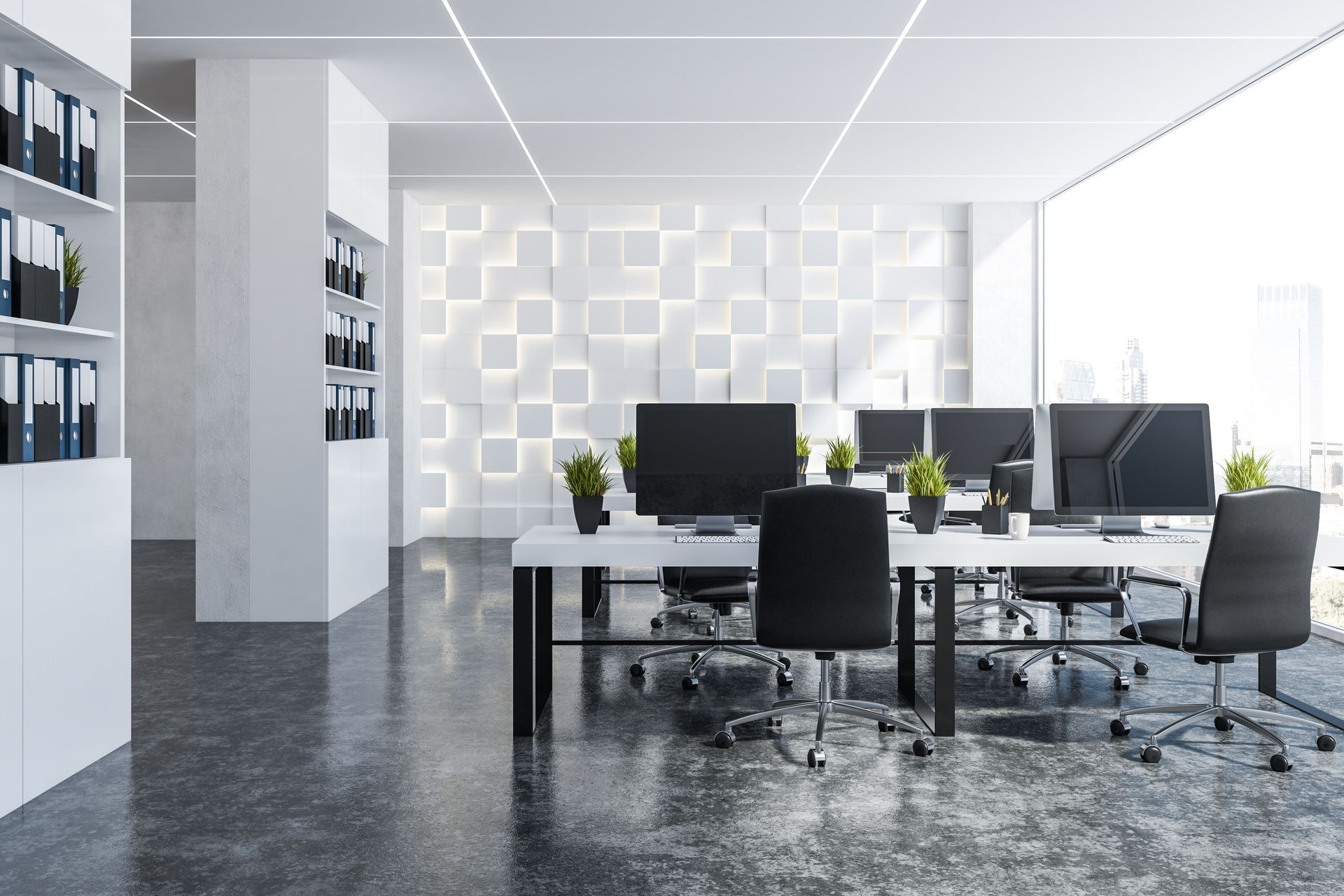
The condition of a floor can influence the overall appearance of a commercial property. Worn or damaged surfaces may make a space look poorly maintained even when other areas are clean and organized. Epoxy flooring can provide a smooth, consistent finish that works with different commercial designs. Businesses can consider factors such as color, finish, and the overall appearance they want to achieve. A well-maintained surface can help create a more polished environment for employees and visitors. Commercial epoxy floors can balance practical performance with visual considerations. Regular cleaning and maintenance can help preserve the finished appearance over time. This combination can make epoxy a useful option for businesses that want both durability and a professional-looking surface.
Supporting Long-Term Concrete Protection
The concrete beneath a commercial floor may be exposed to conditions that gradually affect its surface. Moisture, impacts, abrasion, and daily activity can all contribute to deterioration. A properly installed coating can provide an additional layer of protection between the concrete and the surrounding environment. The condition of the existing concrete should be evaluated before installation begins. Cracks, damage, moisture concerns, and other issues may need to be addressed as part of the preparation process. A strong installation starts with understanding the condition of the substrate. Commercial epoxy floors should be installed over concrete that has been appropriately prepared for the selected system. Taking the time to address these details can support better durability and performance.
Improving Safety in Active Workspaces
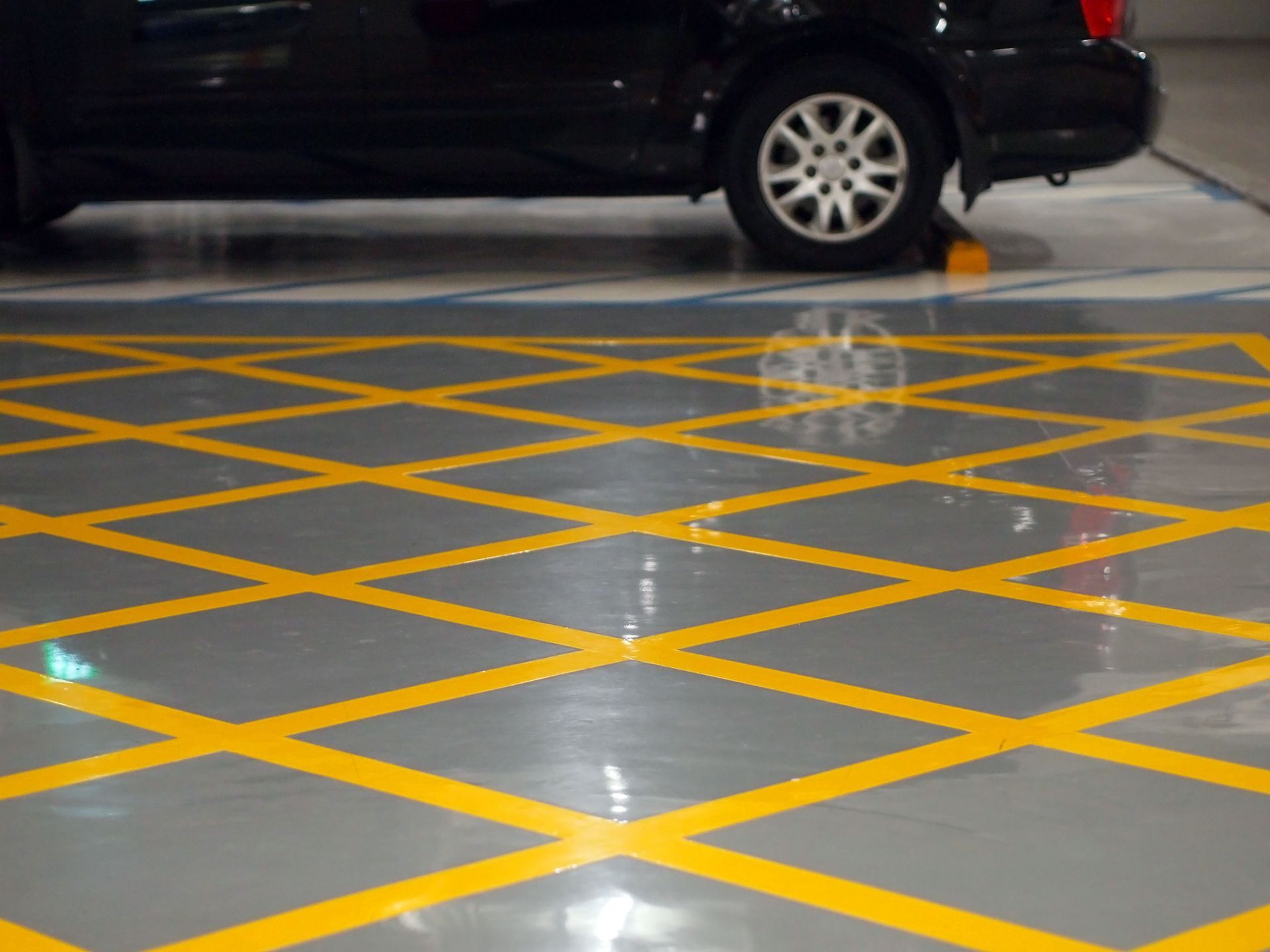
Safety is another important consideration when choosing commercial flooring. Different work environments may have different concerns involving moisture, spills, and regular movement. Some epoxy systems can incorporate finishes designed to provide additional traction where appropriate. The flooring solution should be selected based on the conditions of the specific property. A warehouse may have different safety needs than a medical facility, restaurant, or retail store. Keeping the floor clean and properly maintained also contributes to a safer environment. Business owners should consider how employees and visitors use the space when planning a flooring project. A carefully selected surface can support both daily operations and the property's overall safety procedures.
Adapting to Different Commercial Needs
No two commercial properties operate in exactly the same way. A busy retail location may prioritize appearance and resistance to frequent foot traffic. An industrial facility may require a flooring system capable of handling equipment and more demanding working conditions. Healthcare and educational environments may place greater importance on cleanliness and ease of maintenance. Epoxy systems can be adapted to address different needs when the property is properly evaluated beforehand. Hoffman Flooring by ENECON NE LLC can help businesses consider the conditions affecting their existing floors. Understanding traffic levels, daily activities, and maintenance expectations can lead to a more suitable flooring decision. A customized approach can help property owners select a solution that supports their specific operations.
Ready to improve your commercial space with commercial epoxy floors designed for daily traffic and long-term durability? Contact us today to discuss a flooring solution that fits your property's needs.