July 14, 2026
In today's fast-paced world, ensuring safety within commercial spaces is a paramount concern. Various elements contribute to the overall safety of such environments, and flooring plays a crucial role. Commercial epoxy floors have risen in popularity due to their impressive safety-enhancing features. This article will delve into the numerous ways that epoxy flooring not only meets but often exceeds safety standards in commercial spaces.
Epoxy flooring is known for its durability and slip-resistant surfaces, providing a safer foundation for bustling business operations. Whether in a retail store, factory, or office space, the need for safe, reliable flooring cannot be overstated. As we explore the specific benefits and compliance aspects of commercial epoxy floors, you'll discover why they are considered an ideal solution for promoting safety and enhancing productivity in the workplace.
What are the Benefits of Commercial Epoxy Floors?
Durability and Enhanced Longevity
Durability stands out as a key benefit of commercial epoxy floors, attributed to their exceptional wear and tear resistance. Businesses often face high foot traffic and heavy equipment operations, making durable flooring essential for safety and cost-effectiveness. Epoxy flooring provides a robust solution that maintains its structural integrity over time. This consistency ensures a reliable surface, reducing the risk of accidents caused by deterioration like cracks or uneven surfaces.
The longevity of epoxy floors is another significant attribute, making them a cost-efficient choice for commercial spaces. Unlike traditional flooring, which might need frequent repairs or replacements, epoxy floors sustain their quality and appearance over the years. This prolonged lifespan not only translates to lower maintenance costs but also minimizes downtime associated with repairs. Thus, epoxy flooring exemplifies a practical investment that continues to offer safety benefits throughout its lifecycle.
As opposed to other flooring options, commercial epoxy floors provide resilience against common challenges such as chemical spills, abrasions, and impact. This unique capability boosts the durability of these floors, securely supporting day-to-day operations. The absence of common wear-and-tear issues on epoxy surfaces means they're less likely to contribute to workplace incidents, fostering a consistently safe environment.
Slip-Resistant Properties
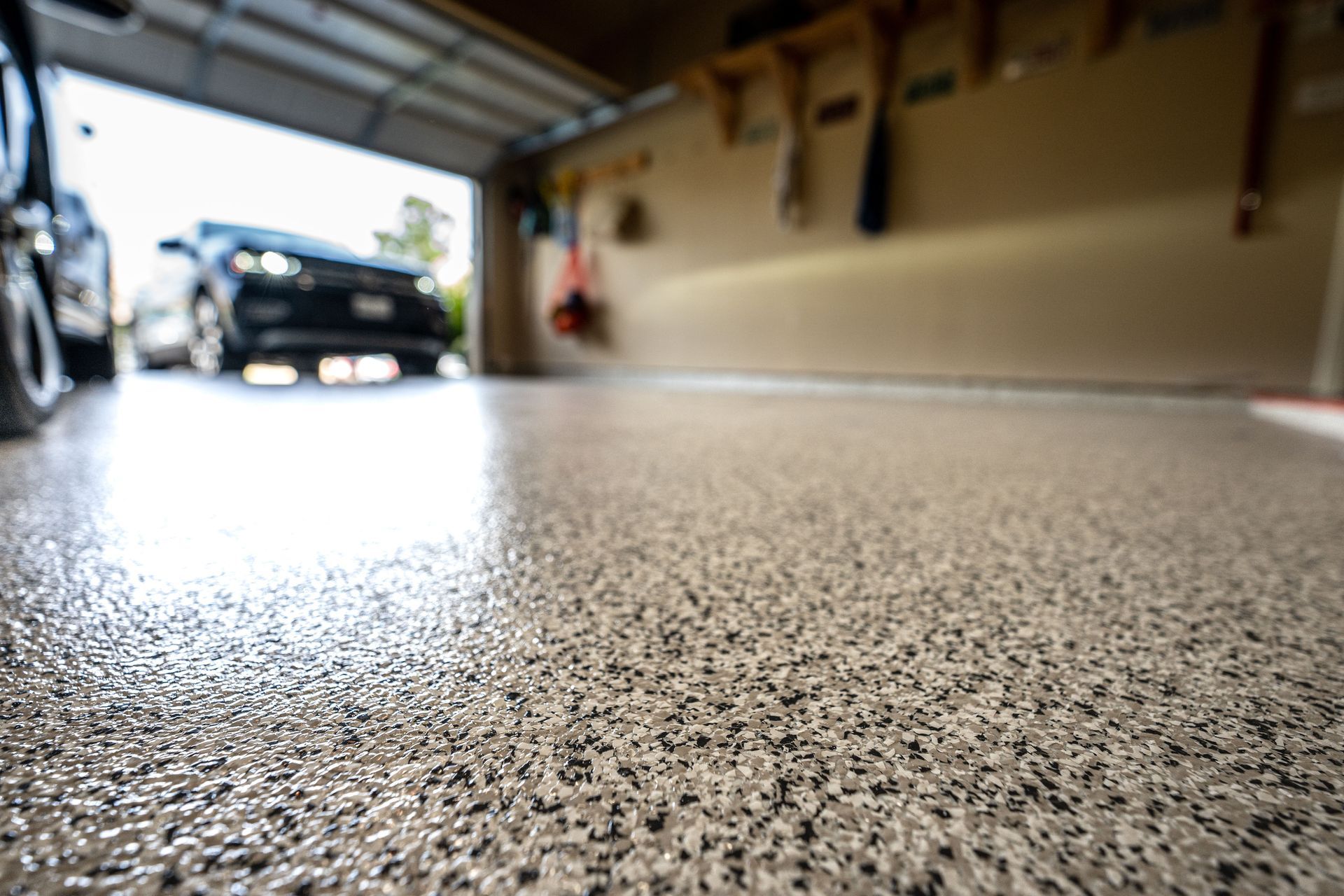
The application of epoxy flooring can be tailored to provide slip-resistant surfaces, a critical feature in high-traffic and wet areas. Slip-resistance is achieved by adding specific textures or aggregates into the epoxy mix, enhancing grip and traction. This customization is especially valuable in areas prone to spills, such as kitchens or industrial settings, where safety is a top priority. With slip-resistant properties, commercial epoxy floors significantly minimize the risk of slip and fall accidents.
Integrating slip-resistant features into epoxy flooring is a proactive measure taken by businesses to uphold safety standards. These properties are not only vital in preventing accidents but also in maintaining compliance with regulatory safety requirements. With epoxy flooring, businesses can enhance employee and customer assurance, knowing that the flooring system supports their well-being. This trust in their environment often translates to increased morale and confidence in daily operations.
How Does Epoxy Flooring Comply with Safety Regulations?
Industry Standards and Certifications
Commercial epoxy floors are designed to meet rigorous industry standards and certifications that ensure their efficacy and safety. Reputable manufacturers adhere to established benchmarks in floor coating production, ensuring that their products offer durability, slip resistance, and chemical resistance. Certifications such as ISO and ASTM provide guidelines for the quality and performance levels that epoxy floors must achieve. Compliance with these standardizations guarantees that the flooring meets proven safety and quality criteria.
Epoxy flooring manufacturers often pursue certifications specific to their products to assure businesses of the product's reliability. Certified epoxy flooring solutions align with industry best practices, providing peace of mind to commercial entities selecting them. Such certifications are not merely a formality but a testament to the floor's ability to withstand daily operational demands while maintaining safety standards. Consequently, choosing certified epoxy solutions is a proactive approach to adhering to regulatory requirements.
Government Safety Regulations
In various industries, commercial epoxy floors align with specific government safety regulations and codes. These regulations may include those set forth by OSHA, ADA, and other safety organizations, which dictate flooring standards to ensure a safe working environment. Epoxy flooring properties such as slip resistance, chemical resistance, and fire retardancy are aligned with these mandates, ensuring widespread compliance. Adhering to these regulations is crucial for minimizing liability and maximizing on-site safety.
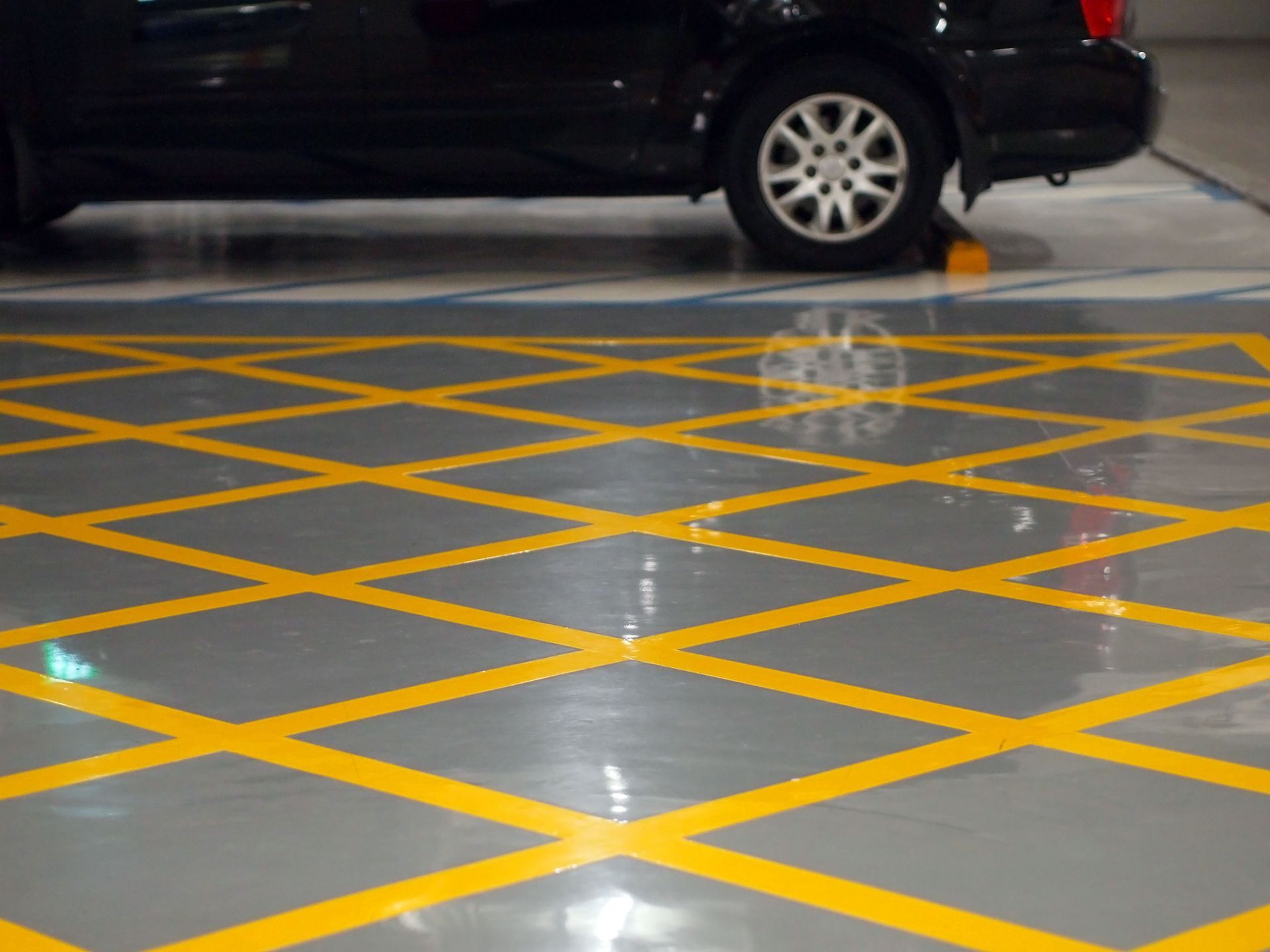
Government regulations often require that flooring solutions contribute to minimize risks related to slips, trips, or falls, particularly in high-risk sectors such as healthcare and manufacturing. Epoxy flooring not only meets these stringent criteria but does so while offering additional benefits such as enhanced visibility and easy maintenance. As these regulations evolve, epoxies are adapted to match the latest safety enforcement, ensuring ongoing compliance with the most current safety standards.
Can Epoxy Flooring Improve Workplace Productivity?
Reducing Accidents and Downtime
Safer flooring plays a pivotal role in reducing workplace accidents, thereby ensuring minimal operational disruption. Epoxy floors, known for their robust, non-slip surfaces, contribute significantly to overall safety, leading to fewer injuries. This reduction in incidents translates to decreased downtime, as there are fewer disruptions necessitated by emergency medical responses or injury investigations. Commercial epoxy floors foster an uninterrupted work flow, allowing businesses to maintain productivity levels.
The seamless, durable nature of epoxy floors implies fewer repairs, minimizing the hours that sections of a facility might be shut down for refurbishments. This inherent advantage means resources can be conserved for other growth-focused initiatives instead of continuously repairing subpar flooring. Essentially, epoxy flooring optimizes the work environment, allowing employees to focus on their tasks without the risk of hazardous interruptions. As the workspace remains operational, productivity benefits, negating the costly impacts of frequent flooring repair.
Boosting Employee Morale
Employee morale receives a notable boost from the presence of a safe and appealing work environment, with epoxy floors playing an influential role. A workspace that prioritizes safety reflects a business's commitment to employee welfare, fostering appreciation and positivity among the workforce. As commercial epoxy floors instantly elevate safety standards, they reinforce the business's commitment to providing a hazard-free environment. An increase in employee satisfaction often correlates with improved morale and productivity.
The bright, clean, and orderly appearance that epoxy floors offer significantly impacts employee perception and motivation. Employees are more likely to take pride in their workspaces, which in turn motivates them to maintain their productivity. This investment in safety and aesthetics promotes a sense of belonging and dedication, encouraging teams to perform at optimal levels. Commercial spaces that emphasize both safety and appearance aid in reducing turnover, as employees prefer environments where they feel safe and valued.
Weighing the comprehensive benefits of commercial epoxy flooring, its role in enhancing safety in commercial spaces is evident. Offering durability, slip-resistance, easy maintenance, increased visibility, and customization, epoxy floors meet the demanding requirements of various industries. They skillfully align with safety regulations, assuring compliance and reinforcing structural integrity over time.
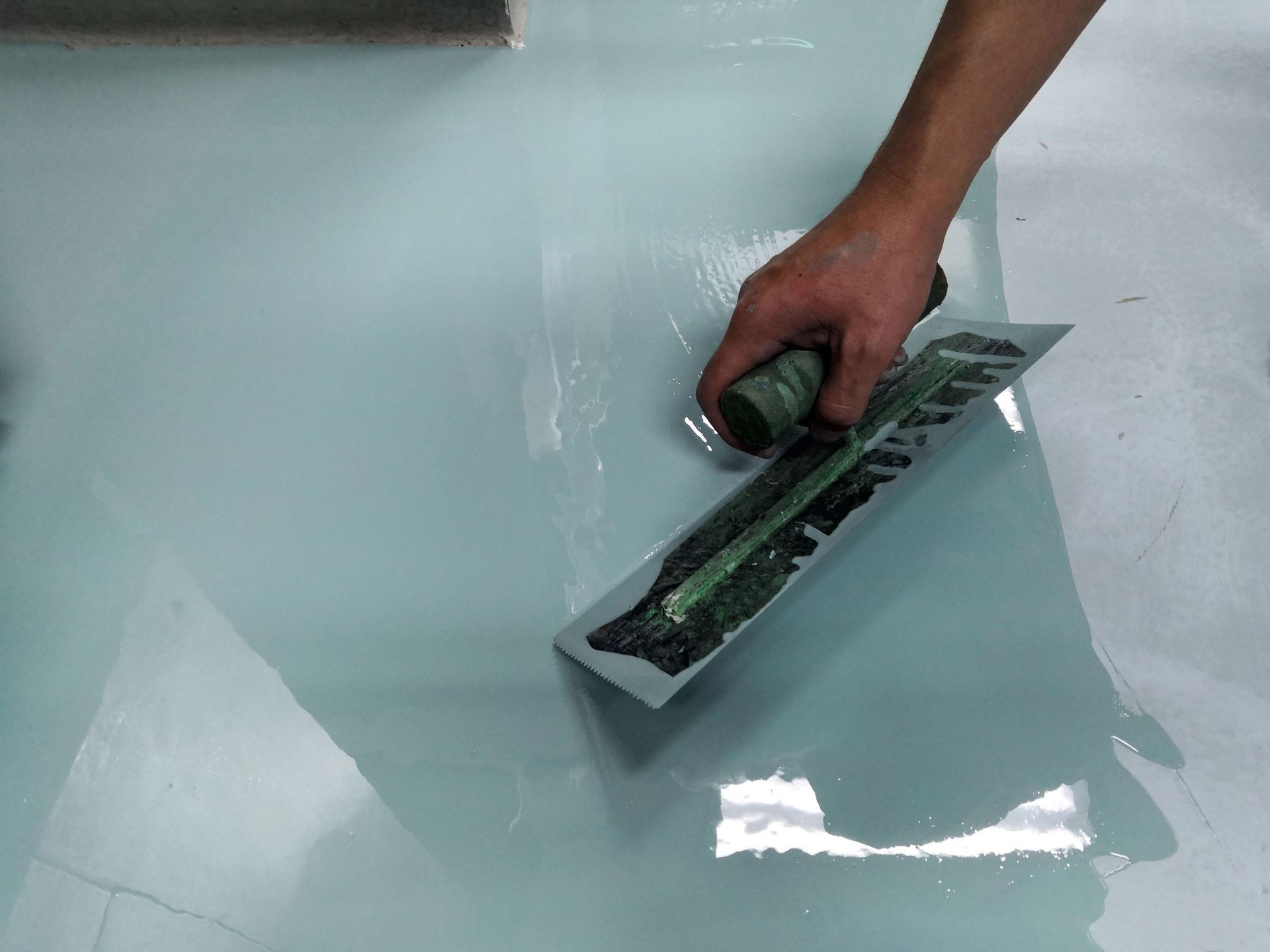
While initial costs and installation times are noteworthy considerations, the safety, efficiency, and aesthetic benefits attained by opting for commercial epoxy floors outweigh these limitations. The longevity and robustness offered by these floors promote long-term savings, making them a practical choice for businesses seeking sustainable solutions. As discussed, it's advisable to allow 72 hours for the coating to set fully according to Forbes, ensuring that all the reinforcing safety properties are deployed optimally.
Commercial epoxy floors present a holistic flooring option that effectively addresses safety challenges in dynamic business environments. Beyond mere compliance, these floors enhance workplace productivity and morale, supporting operations and growth objectives seamlessly. By investing in epoxy flooring, businesses stake a proactive claim in safeguarding their environment, reassuring safety to employees and clients while projecting professional competency to the world at large. Reach out to Hoffman Flooring by ENECON NE LLC today to see how we can help you!