July 28, 2026
In the fast-paced world of warehousing and logistics, the strength and durability of the flooring beneath the hustle cannot be undermined. Upgrading to epoxy flooring services is a strategic decision that enhances not just the aesthetics but also the operational efficiency of a warehouse. Epoxy flooring services stand out for their robustness and economical advantages, providing a cost-effective solution that is both enduring and visually pleasing. This innovative flooring solution proves to be a wise investment, promising reduced maintenance costs and an extended life span. As warehouses increasingly prioritize both form and function, epoxy floors emerge as the clear choice to support everyday operations.
The Benefits of Epoxy Flooring Services in Warehouses
Durability and Longevity
Epoxy flooring services are renowned for their exceptional durability, making it ideal for warehouses housing heavy machinery and enduring high foot traffic. The robust nature of epoxy, which results from its main components, resin and a hardener, ensures it can withstand impacts and stress without cracking or flaking. Warehouses experience a multitude of activities and movements, and having a floor system that can hold up against daily wear and tear is crucial for maintaining operational continuity. Unlike traditional flooring systems, epoxy does not succumb easily to abrasions, significantly prolonging the lifecycle of the flooring. This durability translates into long-term savings, minimizing the need for frequent repairs or replacements.
Easy Maintenance
Maintaining a clean and efficient warehouse environment is critically important for operations, and epoxy floors greatly simplify this task. The seamless and non-porous surface of epoxy makes it resistant to spills, dust, and dirt, facilitating easier cleaning routines. Unlike other materials, such as concrete or tile, epoxy floors do not accumulate grime, making them a hygienic solution that also contributes to a safer work environment. Regular cleaning with simple mopping ensures the floor retains its luster, thereby reducing reliance on harsh cleaning agents that might harm the floor over time. Furthermore, the easy maintenance aspect ensures the continuity of operations without delays associated with complex cleaning procedures.
Improved Safety
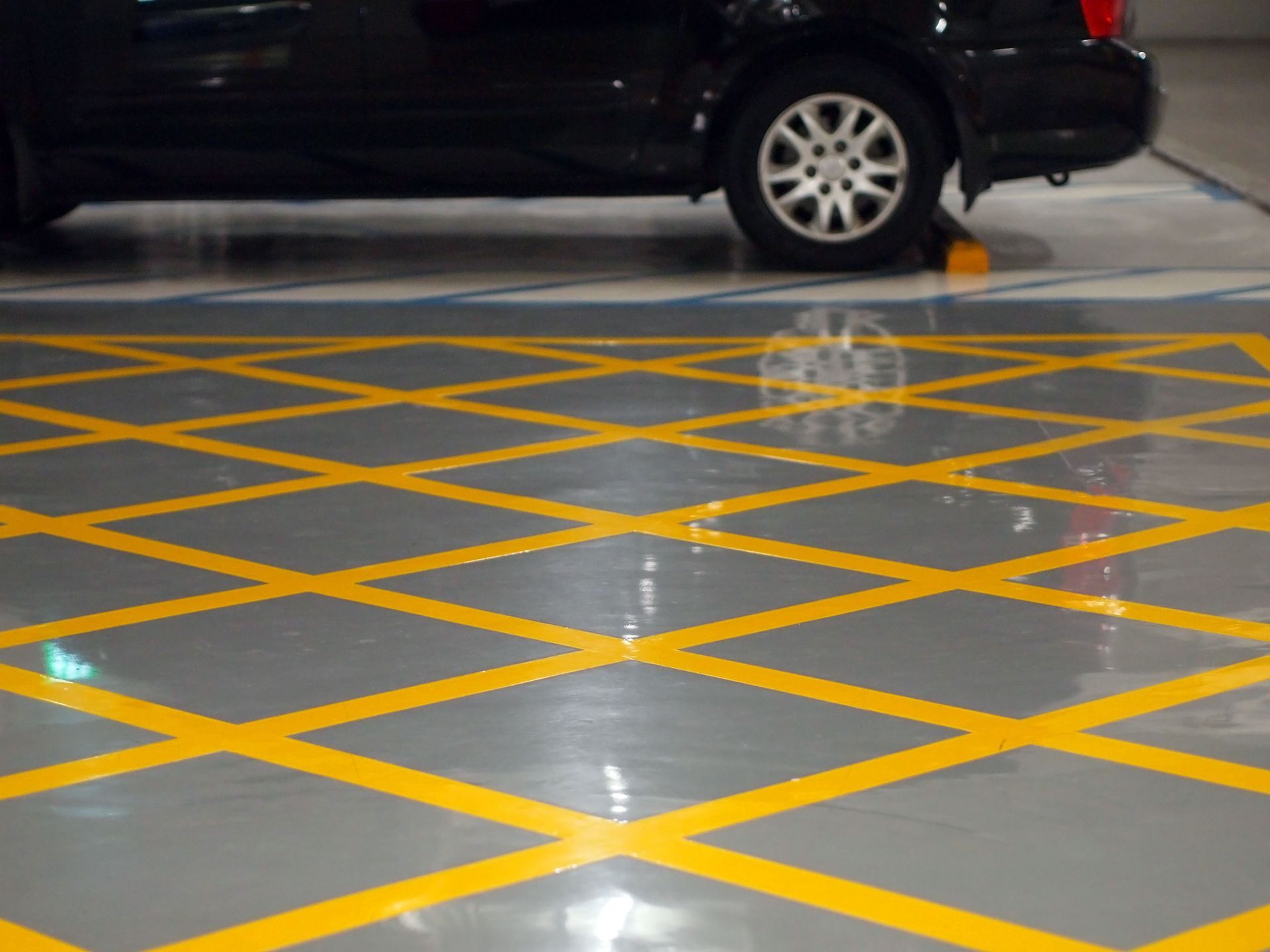
Safety is a top priority in warehouse settings, and epoxy flooring services significantly contribute to minimizing accidents on the floor. One of the customizable features of epoxy is its slip-resistant finish, providing a safer footing for workers and reducing the likelihood of slips and falls. Epoxy solutions can also integrate safety markings directly onto the floor, enhancing visual guidance for foot traffic and machinery routes. This intuitive navigation aids in preventing accidents and enhances workflow efficiency. By incorporating these safety features, epoxy floors not only help in meeting safety compliance but also create a safer workplace overall.
Enhancing Aesthetic Appeal
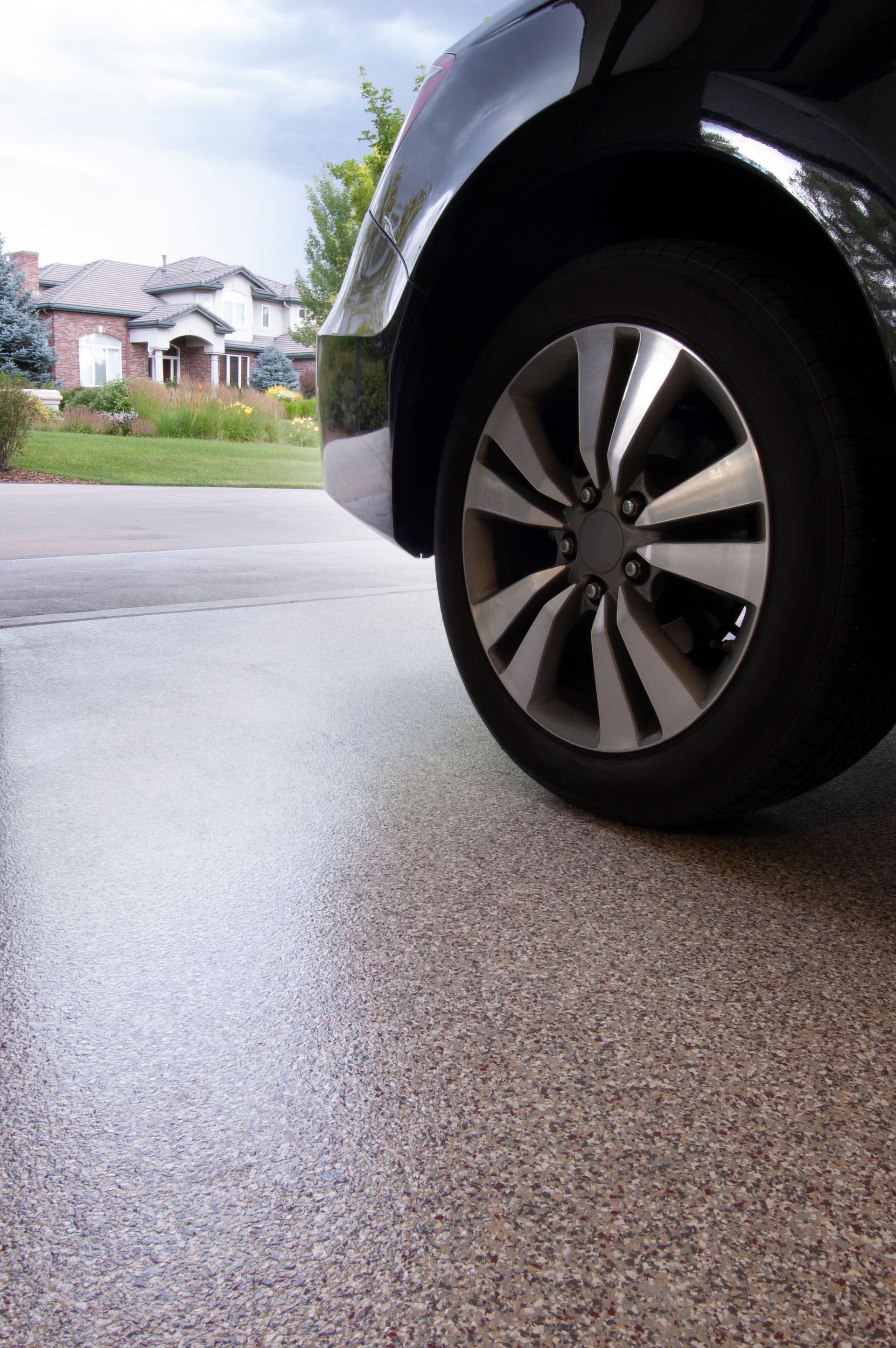
Beyond functionality, epoxy flooring services offer a diverse range of aesthetic options that can elevate the visual appeal of warehouses. Available in a myriad of colors and finishes, epoxy floors can be customized to match the branding or thematic design of a business, creating a more cohesive aesthetic environment. The sheen and shine provide a clean, professional appearance, which can create an uplifting atmosphere for staff and visitors. Moreover, the optical brightness of epoxy flooring can enhance lighting within the facility, reducing energy costs and creating an inviting workplace environment. These aesthetic advantages not only improve the visual environment but also increase the value and impression of the warehouse property.
The Installation Process Explained
Primer Application
The application of a primer is a vital stage in the epoxy flooring services process, serving as the base layer that ensures strong adhesion of the epoxy to the substrate. Primers create a smooth and uniform surface that enhances the bond between the flooring and the epoxy material. Their application involves spreading the primer across the prepared floor which, once cured, becomes an excellent foundation for subsequent layers. Properly applied, the primer controls potential defects such as bubbling, which can occur if the substrate is not entirely covered. Therefore, this initial step is crucial for ensuring the long-term success and resilience of the epoxy flooring system.
Epoxy Layer Application
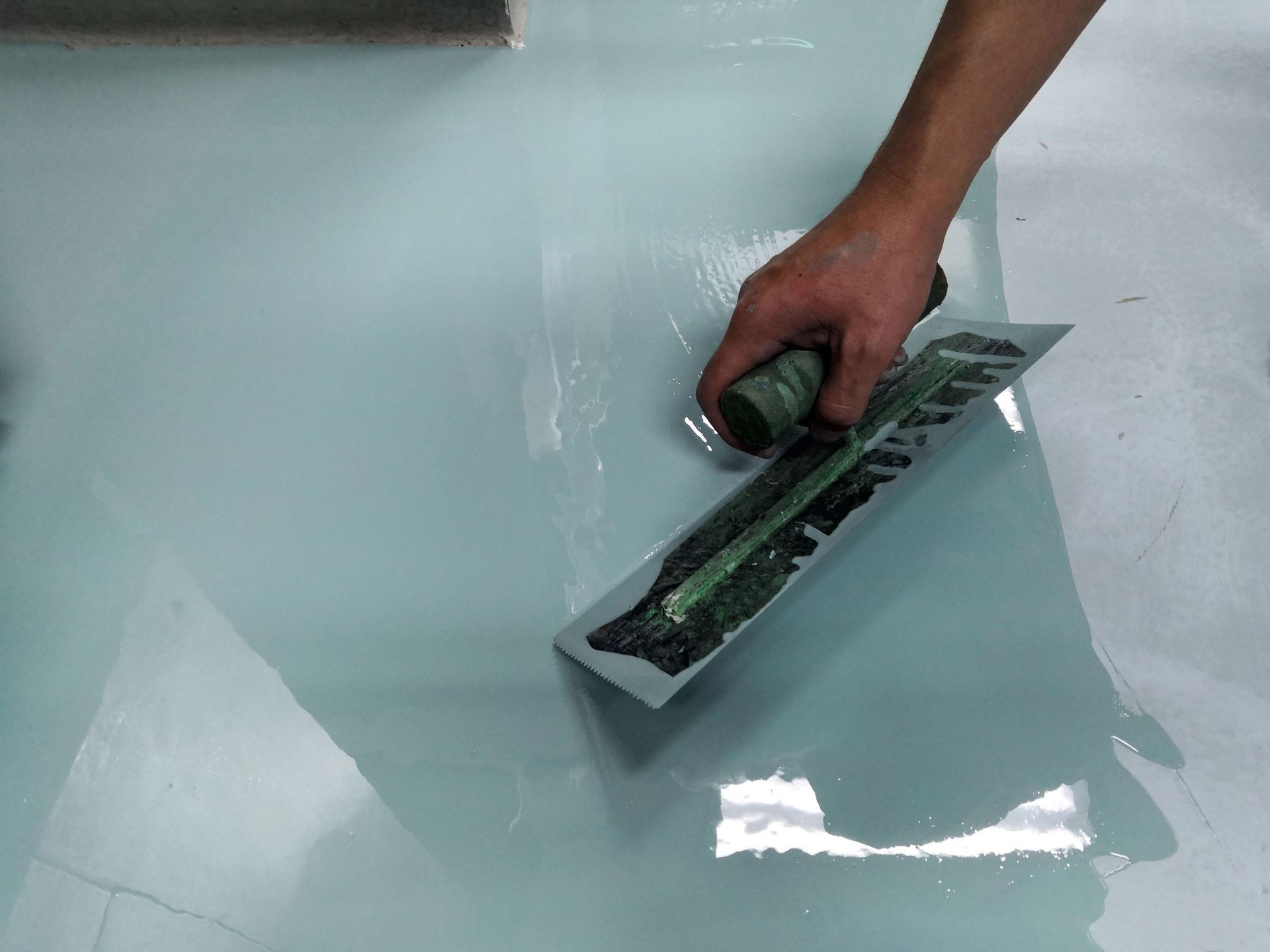
Following primer application, the first epoxy layer is applied systematically to ensure thorough coverage and optimal thickness. This application involves mixing epoxy's two main components — resin and a hardener — according to This Old House, ensuring chemical reactions produce a durable surface. Careful and consistent handling is necessary to prevent uneven layers and ensure a uniform finish. Each section of the flooring receives detailed attention to ensure bonds are solid, contributing to increased resistance to wear. Once applied, this layer is left to cure, a process vital for achieving maximum strength and effectiveness of the epoxy floor.
Adding Decorative Elements
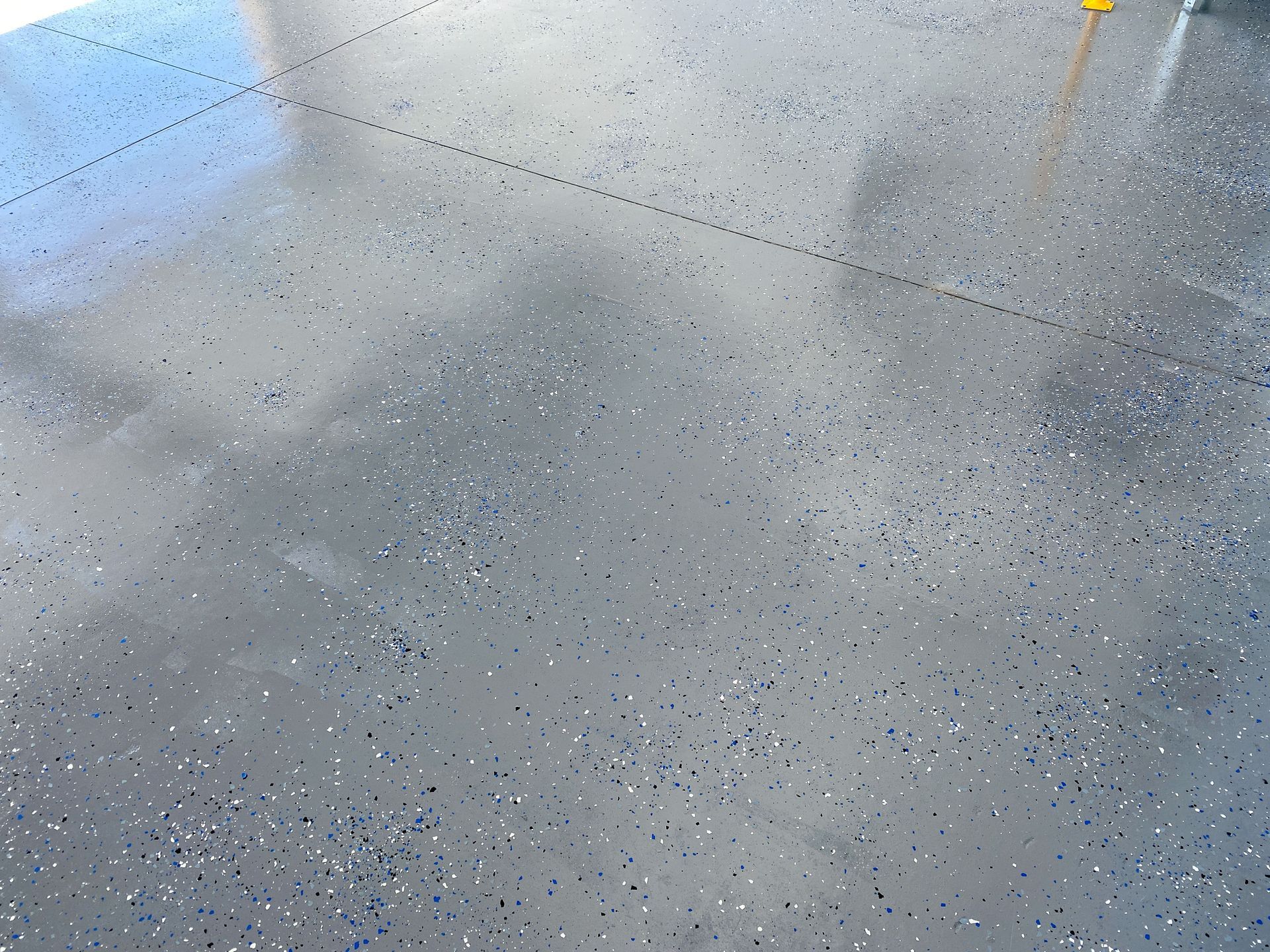
Epoxy flooring offers vast customization possibilities, particularly in terms of decorative elements that can enhance aesthetics. Clients can incorporate various colors, patterns, or decorative flakes into the epoxy mixture, creating a unique and visually appealing floor design. This customization allows businesses to align the flooring design with their brand identity, adding a professional and polished look to the warehouse environment. Additionally, decorative elements can be used strategically to designate specific areas within the warehouse, such as safe zones or equipment placement areas. These visual cues contribute to both the visual appeal and functional layout of the warehouse spaces.
Final Coat and Curing
The last step of the epoxy installation is applying the final top coat which seals and protects the surface, completing the flooring system. This top layer provides resistance against external elements, including chemicals, water, and abrasions, enhancing the robustness of the floor. The curing process, spanning a few days, is essential as it solidifies the layers, maximizing the epoxy's hardness and durability. A critical aspect of this phase is ensuring the space remains undisturbed, preventing compromised structural integrity of the newly installed flooring. Once fully cured, the result is a seamless, shiny surface that integrates durability with a sleek finish.
Maintaining Your Epoxy Flooring
Regular Cleaning Routines
Establishing regular cleaning routines is essential for maintaining the shine and durability of epoxy flooring over time. Given its non-porous nature, epoxy surfaces do not absorb stains, making them easy to clean with basic sweeping and mopping procedures. Regular cleaning not only preserves the aesthetic appeal but also enhances safety by removing potentially slippery debris or spills. Using gentle, non-abrasive cleaning solutions ensures that the epoxy remains resilient against scratches and does not lose its luster prematurely. Scheduling these routines on a daily or weekly basis helps in keeping the floor pristine and prolongs its lifespan significantly.
Identifying and Addressing Damage
Despite epoxy’s durability, occasional damage such as cracks or chips can occur and addressing them promptly ensures comprehensive protection of the floor. Regular inspections help in identifying minor imperfections before they evolve into major issues that might necessitate more extensive repairs. It's advisable to keep an epoxy repair kit on hand to quickly tackle any small damages without requiring a full replacement of the flooring. For more sizeable repairs, professional intervention may be necessary to restore the floor to its original condition. Proactive damage management helps maintain the floor's appearance and structural integrity over the long term.
Refinishing Every Few Years
Refinishing is a key component of maintaining the longevity and appearance of epoxy flooring, typically required every few years based on usage intensity. The refinishing process involves lightly abrading the existing surface before applying an additional top coat, renewing protection and shine. This practice is cost-effective, as it prolongs the lifespan of the original installation without the need for a complete overhaul. Periodic refinishing is also an opportunity to refresh or change decorative elements, keeping the visual impact of the flooring dynamic and updated. Incorporating this routine into the overall floor maintenance plan sustains the value and aesthetic appeal of epoxy floors.
Epoxy flooring services can be a valuable upgrade for warehouses that need stronger, safer, and easier-to-maintain flooring. From improved durability and streamlined cleaning to better safety markings and long-term cost savings, epoxy floors support both daily operations and the overall appearance of the facility. With the right preparation, professional installation, and ongoing maintenance, warehouse owners can create a cleaner, more efficient space built to handle heavy use. Investing in epoxy flooring services is a practical way to protect the property, support employees, and improve the warehouse environment for years to come. Reach out to Hoffman Flooring by ENECON NE LLC today for more information.