March 6, 2026
Choosing the right commercial flooring company is one of the most important decisions you'll make when planning a renovation or new construction project for your business. The floor plays a role in everything from safety and functionality to brand perception, employee comfort, and ongoing maintenance costs. Asking informed questions helps you evaluate whether a company has the experience, materials, project management skills, financial clarity, warranty offerings, and safety practices that match your needs.
Whether your space requires heavy-duty industrial surfaces, elegant hospitality finishes, or durable vinyl or epoxy solutions, understanding a company's capabilities allows you to make an informed decision. Using this guide, you can confidently review prospective commercial flooring companies and select one that aligns with your goals.
Experience in the Commercial Flooring Industry
Years in Operation
Experience matters when evaluating a commercial flooring company. A firm with years of work under its belt has likely encountered a wide range of challenges and materials, and this enhances its ability to provide reliable solutions. Asking how long a company has been operating gives you insight into its track record and resilience in the marketplace. Companies with longer histories often build better processes for quality control, client communication, and problem resolution.
When you compare years of operation among competitors, look not just at age but consistency. A company that has served many satisfied clients over time demonstrates stability and commitment to delivering results. On the other hand, frequent ownership changes or inconsistent project outcomes could be a warning sign.
Types of Projects Completed
Understanding the range of projects a commercial flooring company has completed helps you assess its versatility. Some companies are strong in small-scale retail environments, others specialize in large industrial warehouses, and still others focus on healthcare or education facilities with unique regulatory needs. Reviewing past projects and case studies enables you to determine whether a company's experience aligns with your space type.
If possible, ask for references or visual examples of work similar to your planned installation. Seeing how past projects turned out gives you a concrete sense of workmanship quality and style. You can also inquire about challenges encountered in those projects and how the company resolved them — this reveals problem-solving capabilities.
Flooring Materials Offered
Range of Materials
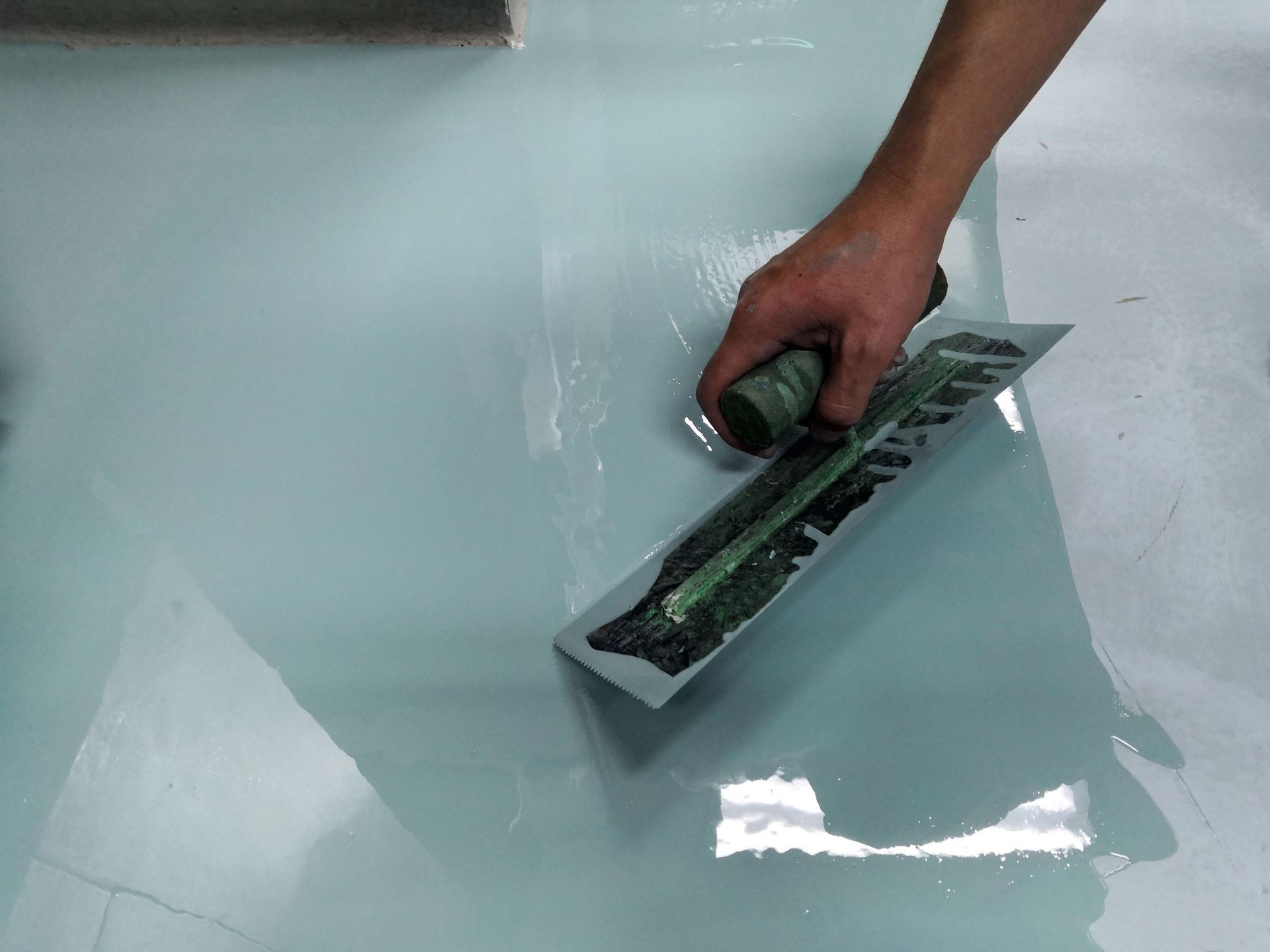
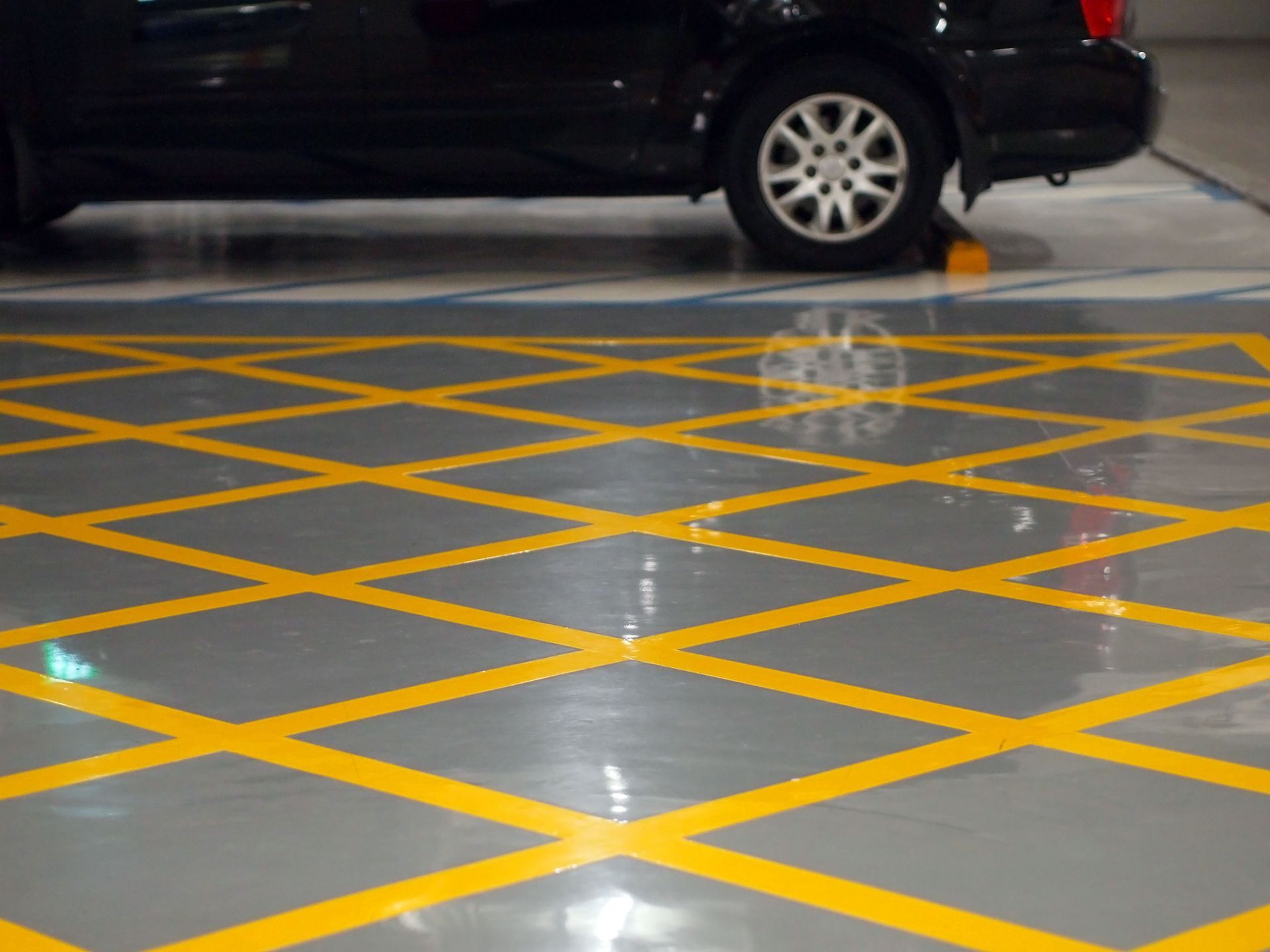
Flooring options have expanded significantly in recent years, and a reputable commercial flooring company should offer a broad range of materials. These can include luxury vinyl tile (LVT), carpet tiles, ceramic and porcelain tile, hardwood, polished concrete, and epoxy coatings. Epoxy is growing in demand because of its durability and resistance to heavy use. The epoxy flooring resins market is expected to grow from USD 1.79 billion in 2025 to USD 1.86 billion in 2026, according to Mordor Intelligence, highlighting how widely epoxy is adopted in commercial environments.
When evaluating material offerings, ask about maintenance requirements, estimated lifespan, resistance to moisture and wear, and how each material performs under the specific conditions in your space. A company that provides clear comparisons helps you make an educated decision rather than guessing what might work best.
Quality and Durability
Material quality directly affects performance and longevity. Lower-grade options may lower initial costs but often lead to higher long-term expenses due to repair and replacement. A reputable commercial flooring company will explain the benefits of premium materials and how their performance justifies the investment. Ask about wear warranties, expected lifecycle, and how the materials respond to your business's particular stressors, such as heavy foot traffic, equipment loads, or exposure to liquids.
Understanding durability factors helps you choose solutions that minimize downtime and maintenance over the years. Also, ask what testing standards the materials meet. Industry certifications for slip resistance, fire ratings, and environmental certifications like LEED or FloorScore provide additional assurance of quality.
Customization and Supplier Brands
Customization has become an important component of commercial flooring design. Whether you want branded colors, logo integration, or unique patterns, a company that can offer tailored solutions gives you more control over final results. Inquire about available colors, finishes, textures, and design options.
The brands a company works with also matter. Trusted supplier brands typically offer consistent quality, product warranties, and post-installation support. If eco-friendly materials are important for your business, ask whether the company can provide sustainable options and documentation to support green building initiatives.
Project Management
Planning and Scheduling
A strong project management process keeps flooring installations on schedule and reduces disruptions to your business operations. Ask the commercial flooring company how it approaches planning, what the typical timeline looks like, and how milestones are communicated. Firms with structured project plans often assign project managers who serve as your main contact, keeping everyone aligned from start to finish.
Understanding the company's scheduling practices also helps set realistic expectations. Ask whether work is phased, how long closures may last, and what accommodations are made to protect your business activities during installation.
Communication and Coordination
Open and regular communication is essential. A company should update you frequently and proactively share progress, challenges, and any changes to the plan. Ask how often you can expect updates, how you'll receive them, and who to contact if questions arise. Clear communication reflects professionalism and makes collaboration smoother.
Handling Delays and Challenges
No project is without unexpected developments. Ask how the company manages delays and what contingency plans are in place to keep work on track. Discussing potential obstacles up front allows you to evaluate how adaptable and resourceful the team is. Their response provides insight into how they support clients when issues occur and how they maintain quality under pressure.
Pricing Structure
Transparency in Estimates
Transparent pricing builds trust. Ask the commercial flooring company for detailed written estimates that break down costs for materials, labor, removal of old flooring, site preparation, cleanup, and any other fees. A detailed quote prevents surprise charges later in the process and helps you compare offers from different vendors.
Transparent pricing also allows you to estimate total project costs more accurately. If the quote has vague line items, that can be a red flag. Always request clarification on anything that seems unclear.
Factors Impacting Cost
Your total cost depends on material selection, project size, site conditions, and complexity of installation. Ask what variables could raise the price and whether additional fees may apply if unexpected challenges arise. Clear communication about cost drivers lets you plan your budget with confidence.
Payment Terms and Flexibility
Discuss payment schedules, deposit requirements, and accepted payment methods. Some commercial flooring companies offer staged payment plans tied to project milestones. Others may provide financing or lease options for larger projects. Understanding terms in advance lets you determine what best fits your financial planning.
Safety and Compliance Standards
Health and Safety Protocols
Flooring installations involve heavy equipment, chemical adhesives, and movement through active workspaces. Ask how the company protects workers and occupants during the installation process. Confirm that they follow OSHA or other local safety guidelines to minimize the risk of injury or liability.
Partnering with the right commercial flooring company requires thoughtful evaluation of experience, materials, project management practices, pricing transparency, warranty coverage, and safety standards. Asking thorough questions empowers you to make a confident decision and select a partner aligned with your goals.
Choosing a company that combines industry knowledge, clear communication, quality materials, and strong project management leads to a successful flooring installation that performs well over time and enhances your space. A well-executed flooring project protects your investment, supports operational needs, and contributes to a positive environment for employees, customers, and guests alike. For more information, contact Hoffman Flooring By Enecon NE LLC.