March 30, 2026
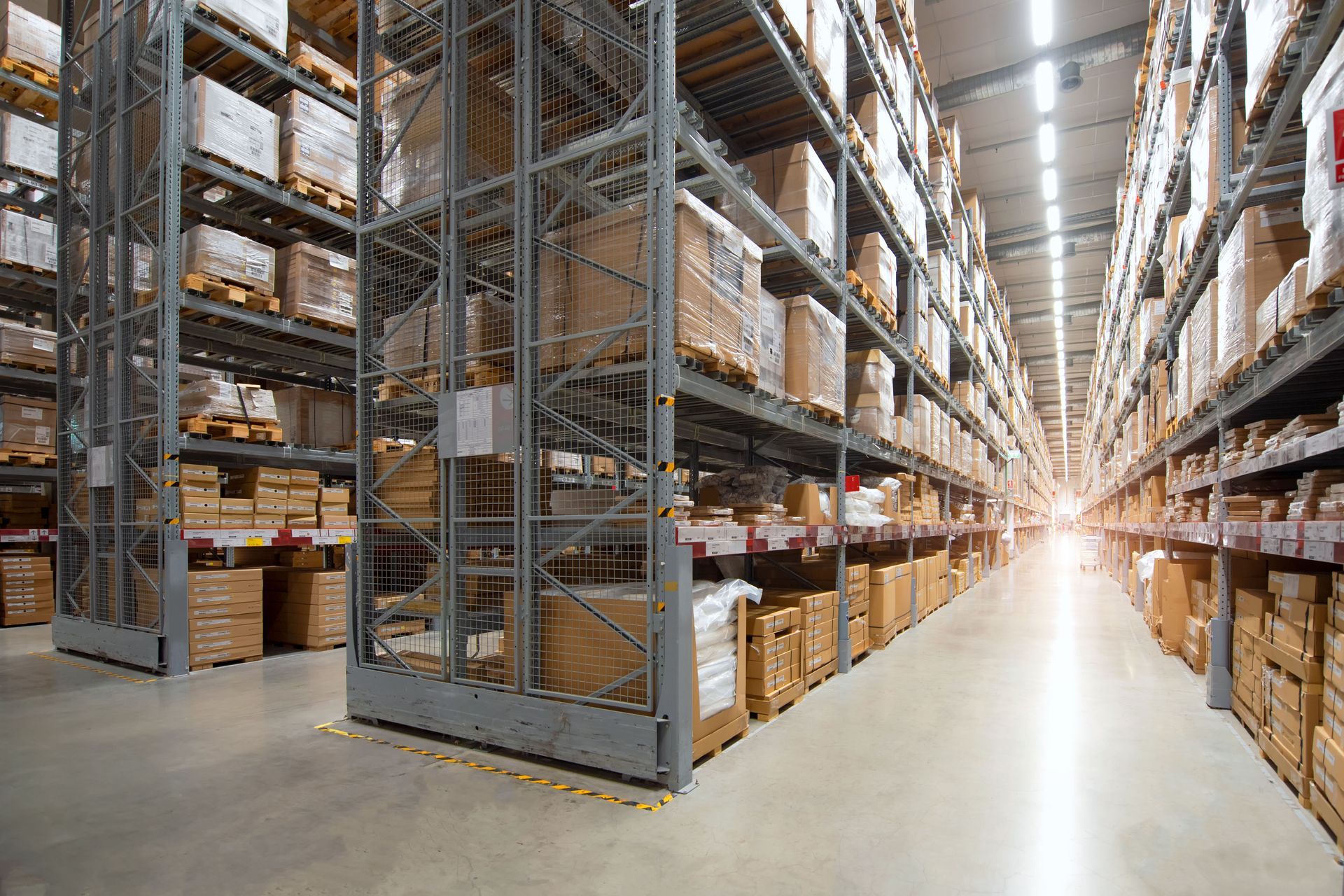
In recent years, industrial facilities have experienced a noticeable shift in how they approach their flooring solutions. With operational efficiency, safety, and long-term cost management becoming top priorities, businesses are increasingly seeking flooring options that meet these rigorous standards. Among the various choices available, commercial epoxy floors have emerged as a leading solution due to their durability, aesthetic appeal, and functional versatility. From warehouses and manufacturing plants to distribution centers, these high-performance floors are transforming industrial spaces into safer, more efficient environments.
The increasing emphasis on sustainability and maintenance efficiency has further accelerated this trend. Industrial facility managers are no longer just focused on aesthetics—they are prioritizing materials that can withstand heavy traffic, resist chemical spills, and reduce the frequency of costly repairs. Epoxy floors, with their seamless surfaces and resistance to wear, offer a practical and long-term solution that aligns perfectly with these evolving operational needs. As more organizations recognize the economic and functional benefits, the adoption of epoxy flooring continues to rise across industrial sectors.
Enhanced Durability and Longevity
One of the primary reasons industrial facilities are turning to commercial epoxy floors is their unmatched durability. Unlike traditional flooring options such as concrete or tile, epoxy coatings create a hard, resilient surface that can endure heavy machinery, forklift traffic, and high foot traffic without significant wear. This robustness translates into fewer repairs, lower downtime, and a longer lifespan, making epoxy floors a cost-effective investment over time.
Epoxy floors are also highly resistant to chemical exposure, which is critical in industrial environments where spills of oils, solvents, or other chemicals can occur. The protective coating prevents these substances from seeping into the flooring material, maintaining both the structural integrity and appearance of the surface. This feature not only enhances safety by reducing the risk of slips and accidents but also preserves the facility’s professional appearance.
Epoxy floors are flexible in terms of thickness and finish. Facilities can choose from a range of textures and coatings to match specific operational needs, such as anti-slip finishes in areas prone to moisture or smoother surfaces for easy cleaning. This adaptability ensures that every industrial space can benefit from a solution tailored to its unique requirements.
Finally, the long-term performance of epoxy floors can significantly reduce overall maintenance costs. According to the International Facility Management Association, organizations typically allot up to 30 percent of facility operating budgets to cleaning and maintenance, which reinforces the value of durable surfaces like epoxy floors. By minimizing wear and simplifying upkeep, epoxy flooring helps facilities maintain both operational efficiency and budgetary control.
Increased Safety and Compliance Benefits
Safety is a critical concern in industrial environments, and flooring plays a central role in ensuring workplace well-being. Commercial epoxy floors contribute to a safer workplace by providing a slip-resistant surface, especially in areas prone to spills or moisture. Anti-slip coatings can be customized during the installation process to meet safety regulations and reduce the risk of workplace accidents, protecting both employees and employers.
Beyond slip resistance, epoxy floors offer excellent visibility features. Many industrial facilities incorporate colored lines, hazard zones, or floor markings directly into the epoxy coating. This integration aids in guiding foot traffic, delineating machinery areas, and marking storage zones, which helps improve overall operational safety and ensures compliance with occupational safety standards.
Additionally, epoxy floors are seamless, meaning there are no grout lines or joints where dirt, debris, or bacteria can accumulate. This feature not only enhances cleanliness but also reduces potential contamination risks in environments such as food processing or pharmaceutical manufacturing. Clean, safe floors contribute to higher hygiene standards and regulatory compliance, further incentivizing organizations to choose epoxy over other flooring materials.
In industrial spaces where chemical spills, heavy equipment, and high-traffic operations are daily realities, epoxy floors provide a reliable solution that enhances safety, reduces accidents, and ensures compliance with industry regulations. This dual benefit of durability and safety makes epoxy flooring a strategic choice for modern industrial facilities.
Heightened Cost-Effectiveness and Operational Efficiency
While the upfront cost of installing commercial epoxy floors can be higher than some traditional flooring options, the long-term financial advantages make them a smart investment. The durability of epoxy floors reduces repair frequency and the need for replacement, translating into substantial savings over time. Fewer maintenance interruptions also mean that production and operational processes continue without unnecessary delays.
Epoxy floors are also relatively easy to maintain. Routine cleaning involves simple sweeping and mopping, and the seamless surface prevents dirt accumulation in cracks or joints. This low-maintenance feature is particularly valuable in industrial settings, where large floor areas can make cleaning labor-intensive. The combination of longevity and ease of maintenance ensures that organizations can allocate resources more effectively and minimize operational disruptions.
Epoxy floors contribute to energy efficiency and productivity. Their reflective surfaces can improve facility lighting, reducing the need for artificial lighting during the day and lowering energy costs. A well-lit, clean, and organized industrial space not only boosts employee morale but also enhances productivity by creating an environment conducive to focused and efficient work.
Finally, the flexibility in design and functionality allows industrial facilities to optimize workflow. From clearly marked pathways to customized zones for machinery and storage, epoxy floors help streamline operations. This integration of functional design with durable materials enhances both cost-effectiveness and operational efficiency, making epoxy flooring a practical solution for industrial managers.
Expanded Aesthetic Appeal and Brand Image
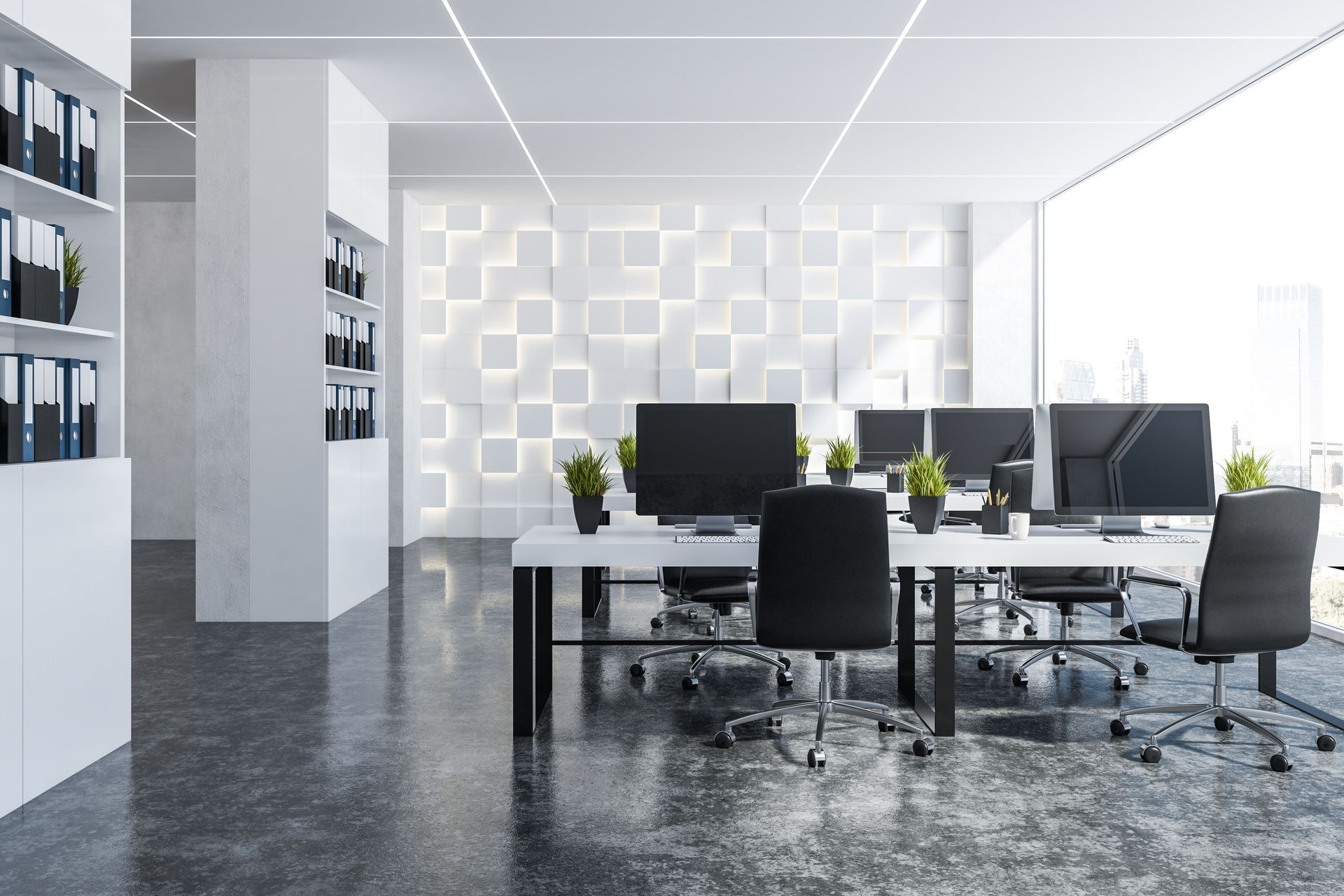
Although functionality often drives flooring decisions in industrial spaces, aesthetics should not be overlooked. Commercial epoxy floors offer a visually appealing finish that can transform a facility’s appearance. Available in a variety of colors, patterns, and textures, epoxy flooring allows companies to maintain a professional and polished environment, which can positively impact employees, visitors, and clients.
A clean, modern floor contributes to the overall perception of a facility. For businesses that host clients or operate in industries where inspections are common, such as manufacturing, food processing, or warehousing, presenting a well-maintained and professional environment reflects positively on the brand. Epoxy floors provide a balance between durability and aesthetics, ensuring that the facility not only performs efficiently but also looks impressive.
Epoxy floors can be customized with logos, branding, or color schemes that reinforce corporate identity. This level of personalization strengthens brand recognition and demonstrates attention to detail in facility management. For companies looking to create a cohesive and professional industrial environment, epoxy floors serve as both a functional asset and a marketing tool.
Finally, the low-maintenance nature of epoxy flooring ensures that its appearance remains consistent over time. Unlike traditional concrete or tile, which can stain, crack, or chip, epoxy maintains a smooth, glossy finish that continues to enhance the facility’s visual appeal for years. This combination of aesthetics, durability, and brand reinforcement solidifies the growing preference for commercial epoxy floors in industrial spaces.
The demand for epoxy floors in industrial spaces is growing for good reason. Their unmatched durability, resistance to wear and chemicals, and ability to reduce maintenance requirements make them an ideal choice for facilities seeking long-term efficiency. By minimizing downtime and lowering operational costs, epoxy floors provide a practical solution that meets the rigorous demands of modern industrial operations.
Additionally, epoxy flooring enhances workplace safety, supports regulatory compliance, and boosts both aesthetic appeal and brand image. Industrial facility managers are increasingly recognizing the strategic advantages of these versatile flooring solutions, from cost savings to improved operational workflows. As industries continue to prioritize efficiency, safety, and professionalism, the adoption of epoxy floors is likely to rise further, solidifying their position as a critical investment in industrial facility management. Upgrade your facility with commercial epoxy floors today and experience the benefits of durability, safety, and low-maintenance efficiency. Contact Hoffman Flooring by ENECON NE LLC to explore the perfect flooring solution for your industrial space.