April 2, 2026
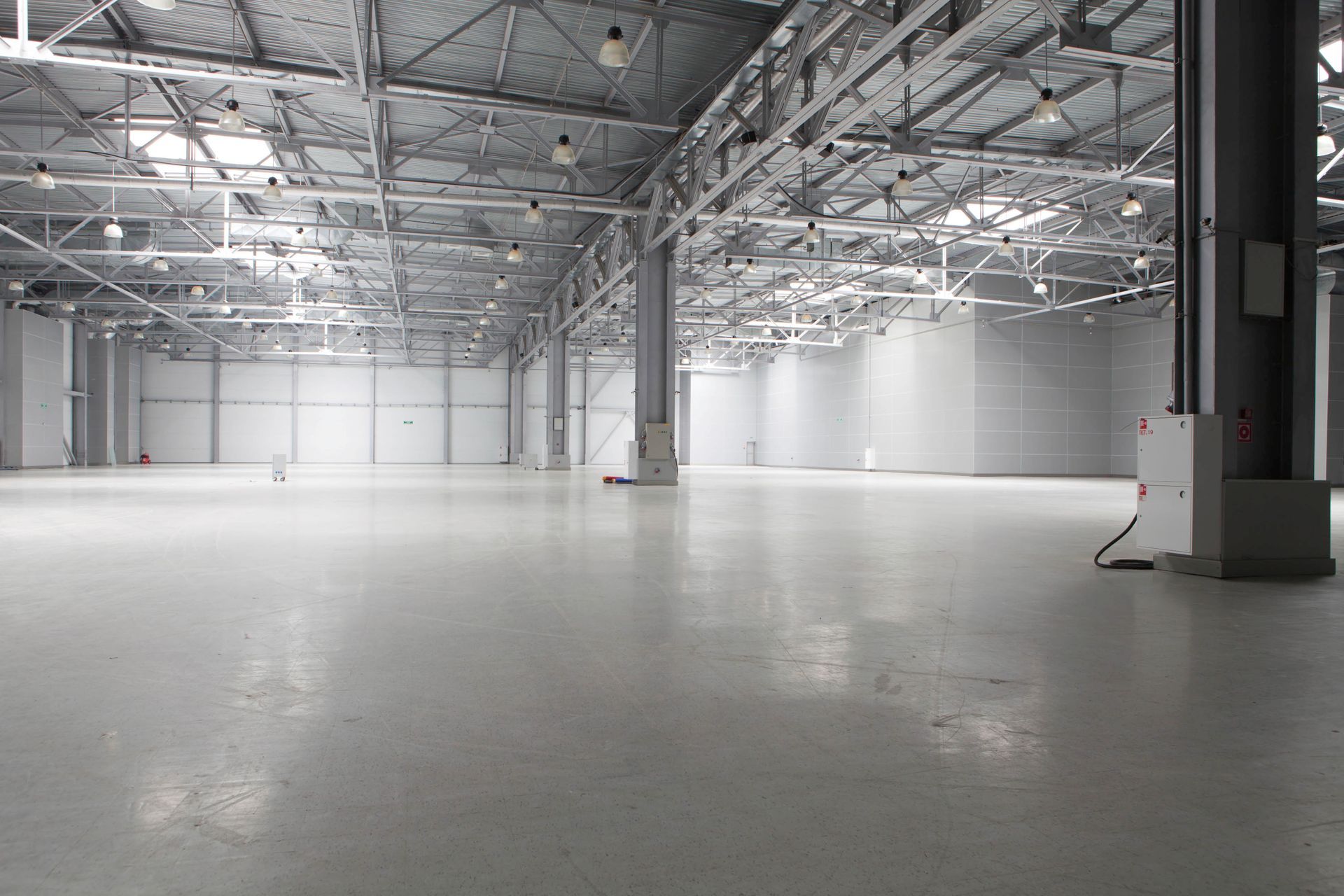
In a bustling warehouse environment, flooring is critical for safety, efficiency, and overall operations. A sturdy floor does more than provide a surface — it supports heavy machinery, withstands loads, and allows smooth workflows. Recognizing when your warehouse floors need to be redone is essential for maintaining productivity, minimizing hazards, and reducing costly interruptions. Timely refurbishment through professional commercial flooring services can prevent accidents, enhance efficiency, and protect equipment longevity.
1. Visible Cracks and Damage
Cracks in flooring often indicate deeper structural concerns beyond superficial repairs. Small fissures can expand, compromising sections of the warehouse floor and potentially leading to structural failures. Addressing these early prevents costly downtime and extensive repairs.
Damaged floors also impact equipment operation. Forklifts and rolling machinery can be derailed by uneven surfaces, causing malfunctions or damage. Smooth and intact floors are essential for heavy equipment safety and efficiency. Regular inspections and repairs save significant time and money in the long term.
Employee safety is another critical concern. Cracks and chips create tripping hazards, risking injuries that could lead to claims and increased insurance costs. Preventative floor maintenance reinforces workplace safety and fosters confidence, enabling employees to operate efficiently without fear of accidents.
2. Persistent Unevenness
Uneven floors disrupt operational efficiency, slowing processes as equipment navigates unlevel surfaces. Delays can affect deliveries, scheduling, and overall productivity. Level surfaces enhance workflow, improve timing for shipments, and maintain client satisfaction.
Warehouse vehicles are also affected. Forklifts and other machinery can become unstable on uneven flooring, increasing accident risks and potential inventory loss. Maintaining flat floors improves operator confidence and ensures safer equipment operation.
Uneven flooring impacts load balance and storage stability. Slight tilts can cause shelves to wobble or collapse, risking inventory and disrupting operations. Leveling floors ensures proper weight distribution, safe storage, and uninterrupted organizational flow. Commercial flooring services can address these concerns efficiently, restoring operational stability.
3. Diminished Coating and Striping
Faded floor markings affect navigation and safety in warehouses. Clear striping ensures pathways are understood and followed, minimizing confusion. Diminished coatings can slow operations and increase caution during movements. Maintaining bright markings enhances efficiency and clarity.
Safety protocols rely on visible markings to indicate hazard zones and safe pathways. When these are faded, employees may bypass essential safety measures, increasing accident risk. Routine updates from flooring services ensure compliance and safer working conditions.
Worn coatings also reduce aesthetic appeal, creating a run-down appearance that may reflect poorly on the company's image. Vibrant floor coatings improve visual appeal, boost employee morale, and convey professionalism. Well-maintained floors demonstrate organizational care to both staff and visitors.
4. Frequent Floor Repairs
Recurring repairs indicate ongoing issues that elevate maintenance costs. Short-term fixes can accumulate, draining financial resources. A comprehensive floor renovation from commercial flooring services offers a cost-effective, long-term solution.
Frequent repairs disrupt daily operations, creating downtime that affects productivity. Unplanned interruptions can compromise deadlines and client commitments. A permanent flooring solution minimizes downtime and supports smoother workflows.
Persistent patchwork often signals the need for a full overhaul. Comprehensive replacement prevents recurring issues, strengthens structural integrity, and ensures long-term reliability. Proactive solutions align with industry standards for safe and efficient warehouse environments.
5. Reduced Resistance to Chemicals and Stains
Warehouse floors must withstand various chemicals. Reduced resistance allows substances to degrade the surface, causing stains, structural weaknesses, and costly repairs. Investing in chemically resistant materials protects flooring from damage and ensures durability.
Stains and spills hinder cleaning and overall sanitation, increasing slip hazards and compromising hygiene. Flooring services can install surfaces optimized for easy maintenance and effective washdowns, preserving cleanliness and safety.
Uneven or damaged floors from chemical exposure also impact material handling. Slippery or compromised surfaces slow workflows and increase accident risks. Timely maintenance ensures smooth, safe conditions for efficient operations.
6. End of Life Cycle
Aging warehouse floors eventually reach the end of their functional lifespan. Old materials become prone to structural failures and require higher maintenance. Recognizing aging signs is essential for planning timely interventions.
According to Grand View Research, the global flooring market was valued at $385.6 billion in 2025 and is projected to reach $634.8 billion by 2033, illustrating the industry's rapid growth and innovation. Investing in modern flooring through commercial flooring services allows warehouses to take advantage of advanced materials and improved durability.
Technological advancements have introduced more resilient, cost-effective flooring options. Upgraded floors reduce wear and tear, improve safety, and enhance workflow efficiency. Leveraging newer materials aligns warehouses with current industry standards and operational demands.
Prolonged use also accumulates wear, compromising floor integrity and risking operational disruptions. Regular inspection and timely upgrades prevent unexpected failures and costly emergency repairs. Modern flooring services offer solutions that mitigate long-term deterioration while supporting ongoing warehouse operations.
7. Poor Surface Traction
Slippery floors increase accident risk and reduce employee confidence. Worn or glossy surfaces can lead to slips and falls, causing injuries and operational delays. Commercial flooring services can install surfaces with better traction, enhancing safety for all warehouse personnel.
Proper traction also safeguards equipment. Forklifts, carts, and other machinery perform better on surfaces with adequate grip, preventing mishaps that could damage goods. Maintaining floors with consistent traction supports operational continuity and protects assets.
Enhanced traction contributes to productivity by reducing cautious, slow movements. Employees can work confidently, maintaining a steady pace and efficiency. Investing in surfaces with optimized grip is a preventive approach to both safety and workflow management.
8. Insufficient Impact Resistance
Heavy equipment and material handling put tremendous stress on warehouse floors. Floors with reduced impact resistance develop cracks, chips, and dents that impair safety and operations. Flooring services provide solutions with superior impact resistance to withstand high-traffic conditions.
Resistance to impacts ensures longer-lasting floors and lowers repair frequency. Durable floors protect employees, equipment, and inventory, preserving productivity and minimizing downtime.
Stronger surfaces also improve operational confidence. Staff can focus on tasks without worrying about flooring hazards, enabling smoother material handling and efficient warehouse processes.
9. Surface Contamination Issues
Chemical spills, oils, and dirt can compromise flooring over time, creating unsafe conditions. Contaminated surfaces increase slip hazards and degrade structural integrity. Professional commercial flooring services can restore and protect surfaces, ensuring longevity and safety.
Maintaining contamination-resistant surfaces improves cleaning efficiency and maintains hygiene standards. Clean, protected floors reduce operational interruptions caused by hazardous spills or accidents.
Preventing contamination extends floor lifespan, lowers maintenance costs, and supports consistent productivity. Proactive flooring upgrades provide a safer, more hygienic environment for employees and equipment alike.
10. Outdated Layout and Design
Older floors may not accommodate modern warehouse technologies or workflow designs. Upgrading floors can support improved layouts, automation, and optimized traffic patterns. Flooring services provide solutions that enhance operational efficiency and meet evolving industry needs.
Modernized flooring improves workflow, reduces wear on vehicles and equipment, and enhances overall safety. Investing in high-performance floors ensures warehouse operations are agile, productive, and aligned with contemporary standards.
Recognizing these signs — cracks, unevenness, diminished coatings, frequent repairs, chemical damage, aging, poor traction, impact issues, contamination, and outdated layouts — can help warehouse operators proactively address flooring issues. Timely intervention through professional commercial flooring services not only ensures safety but also enhances efficiency, preserves assets, and supports long-term operational success.
If you are ready to restore your warehouse floors, contact us at Hoffman Flooring by ENECON NE LLC today. We will help you implement durable, safe, and efficient flooring solutions tailored to your operational needs.