April 28, 2026
Commercial spaces are evolving quickly, and flooring has become a bigger strategic decision than many people expect. It is no longer just about covering concrete it is about performance, safety, cost control, and appearance all working together. That is where commercial epoxy flooring has started to stand out as a reliable, long-term solution across industries. From warehouses to showrooms, more facility managers are choosing it because it solves multiple problems at once without adding complexity.
If you have ever dealt with cracked concrete, stained surfaces, or constant maintenance issues, you already understand the frustration. Flooring should support operations, not interrupt them. This is why commercial epoxy flooring is gaining traction—it offers a balance of durability, efficiency, and visual flexibility that traditional options struggle to match. As facilities continue to prioritize longevity and operational consistency, epoxy is becoming less of an upgrade and more of a standard.
Understanding The Material and Process Behind Epoxy Flooring
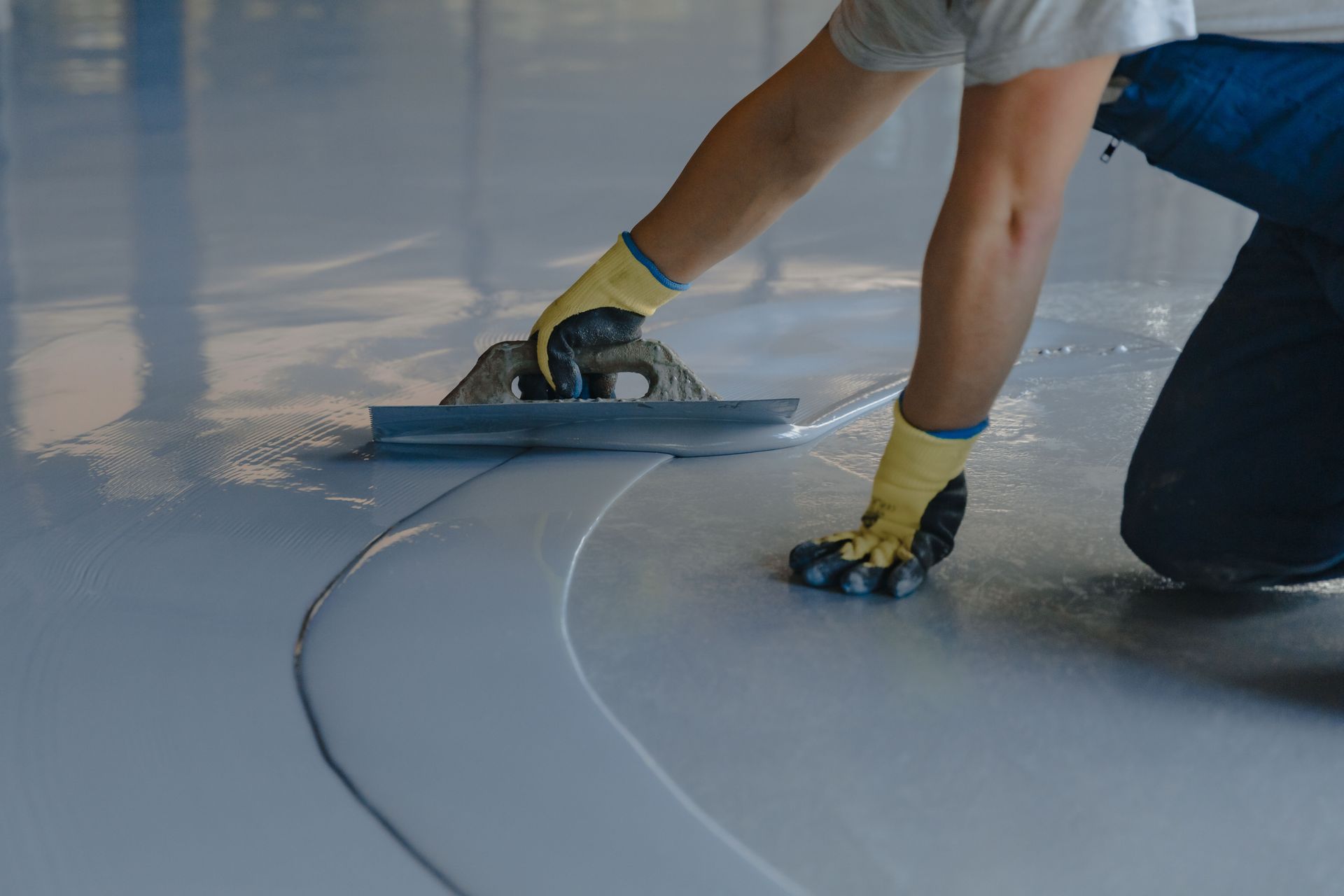
Epoxy flooring is created by combining resin and a hardener, forming a rigid plastic material that bonds tightly to concrete surfaces. This chemical reaction results in a seamless and highly durable coating that can handle heavy loads, constant foot traffic, and exposure to harsh conditions. Unlike surface-level solutions, epoxy integrates with the substrate, creating a unified layer rather than just a covering. That difference is what gives it its long-term performance advantage.
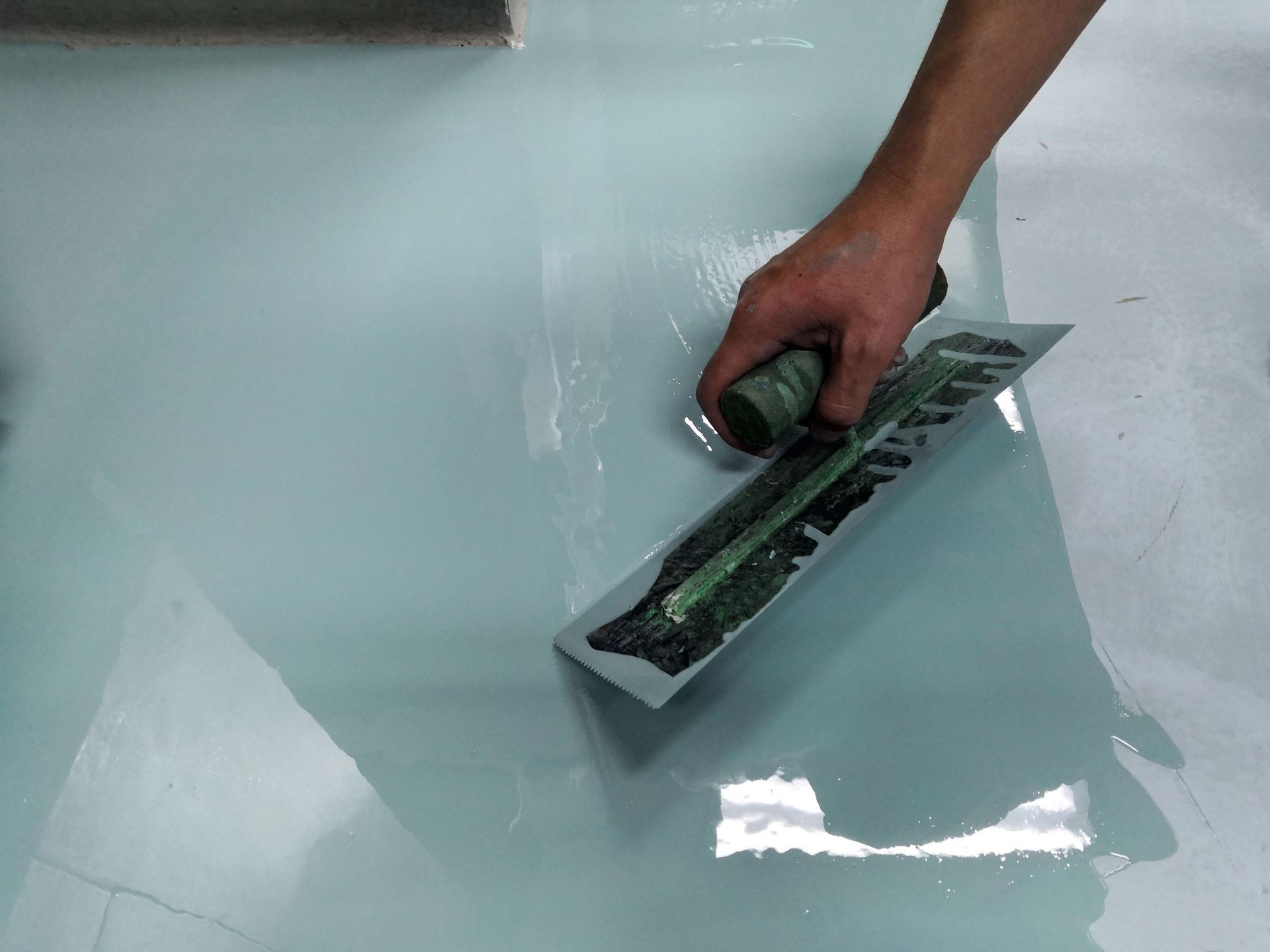
The installation process is just as important as the material itself. Proper preparation—such as cleaning, repairing cracks, and profiling the surface—ensures strong adhesion and prevents premature failure. Once applied, the epoxy is layered and cured to build thickness and strength. Each step must be carefully executed to avoid issues like bubbling, uneven coverage, or weak bonding that can compromise performance. While it requires precision during installation, the result is a surface designed to perform consistently for years with minimal intervention.
Comparing The Performance and Cost Efficiency of Flooring Options
When evaluating flooring options, it is important to look beyond upfront cost and consider long-term value. Materials like tile or vinyl may seem affordable initially, but they often require frequent repairs, replacements, or ongoing maintenance. Concrete alone, while durable, is prone to cracking, dusting, and staining over time. This creates hidden costs that add up quickly in active environments.
Commercial epoxy flooring changes that equation by reducing maintenance demands and extending the lifespan of the surface. Its seamless finish eliminates weak points like grout lines, and its resistance to wear reduces the need for repairs. Over time, businesses often find that epoxy delivers a stronger return on investment because it minimizes disruptions and ongoing expenses. Instead of reacting to problems, facility managers can operate with greater predictability.
Delivering The Durability and Longevity Facilities Expect
Durability is one of the most consistent reasons businesses switch to commercial epoxy flooring. Once cured, the surface can withstand heavy machinery, constant foot traffic, and impact without breaking down. This makes it especially valuable in environments where downtime is costly or safety is critical. A floor that holds up under pressure becomes an asset rather than a liability.
There is also strong evidence supporting its long lifespan. According to Builder Group Construction, epoxy floors are known to last anywhere from a decade to well over twenty years when properly installed and maintained. That level of longevity significantly reduces the frequency of replacements and helps facilities avoid recurring downtime. For facility managers, that translates into fewer interruptions, lower lifecycle costs, and greater confidence in their infrastructure decisions.
Supporting The Safety and Cleanliness Demands of Modern Spaces
Safety and cleanliness are no longer optional—they are baseline expectations across nearly every industry. Commercial epoxy flooring supports both by offering a seamless, non-porous surface that resists contaminants. Without cracks or joints to trap debris, cleaning becomes faster and more effective. This is particularly important in healthcare, food processing, and manufacturing environments where sanitation standards are strict.
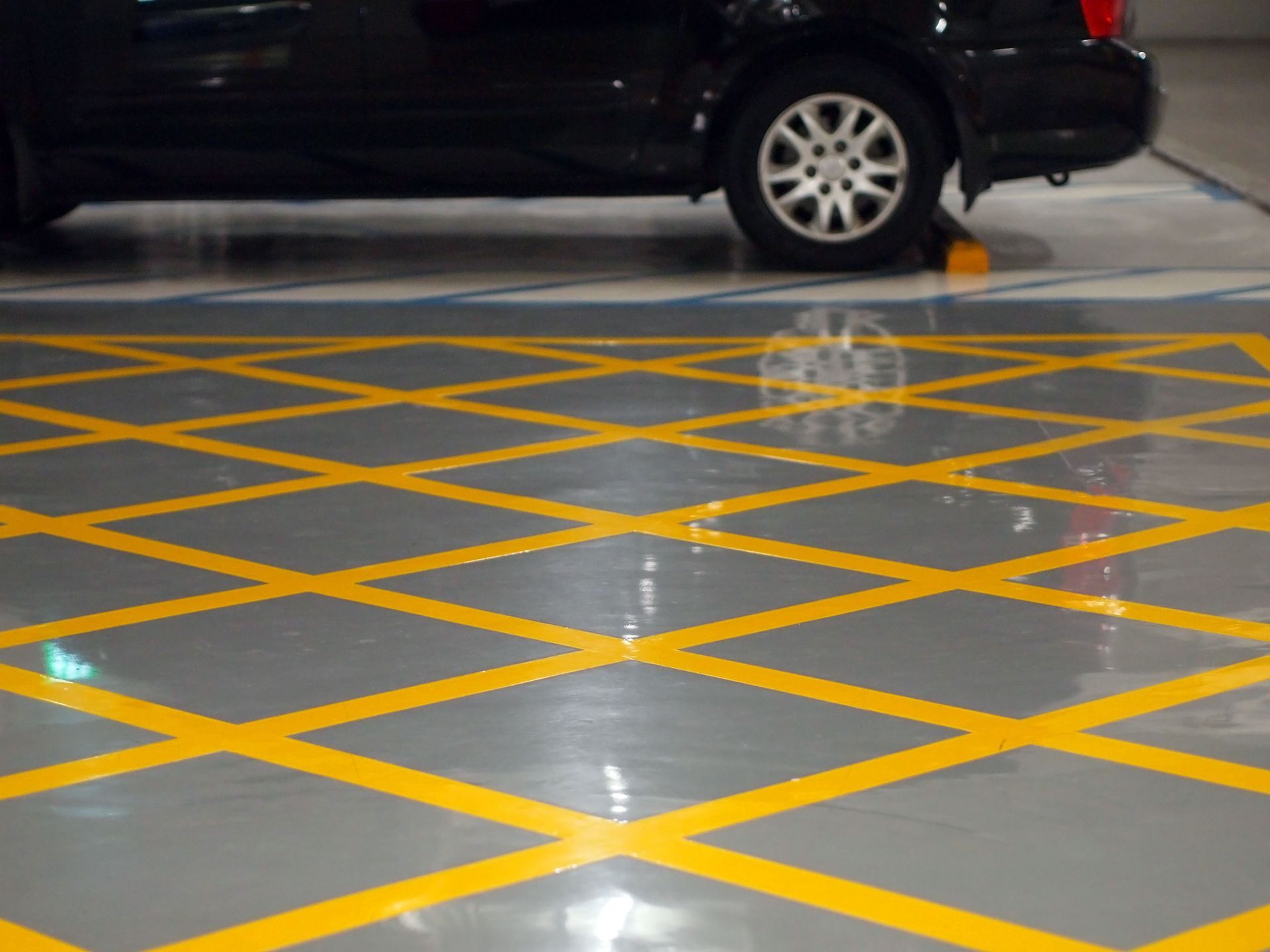
Slip resistance is another key advantage. Epoxy coatings can be customized with textures or additives to improve traction, even in wet or high-risk areas. This reduces the likelihood of workplace accidents while maintaining a clean and professional appearance. By combining hygiene and safety features into a single solution, epoxy flooring helps facilities meet compliance requirements without added complexity.
Enhancing The Design and Branding Potential of Commercial Interiors
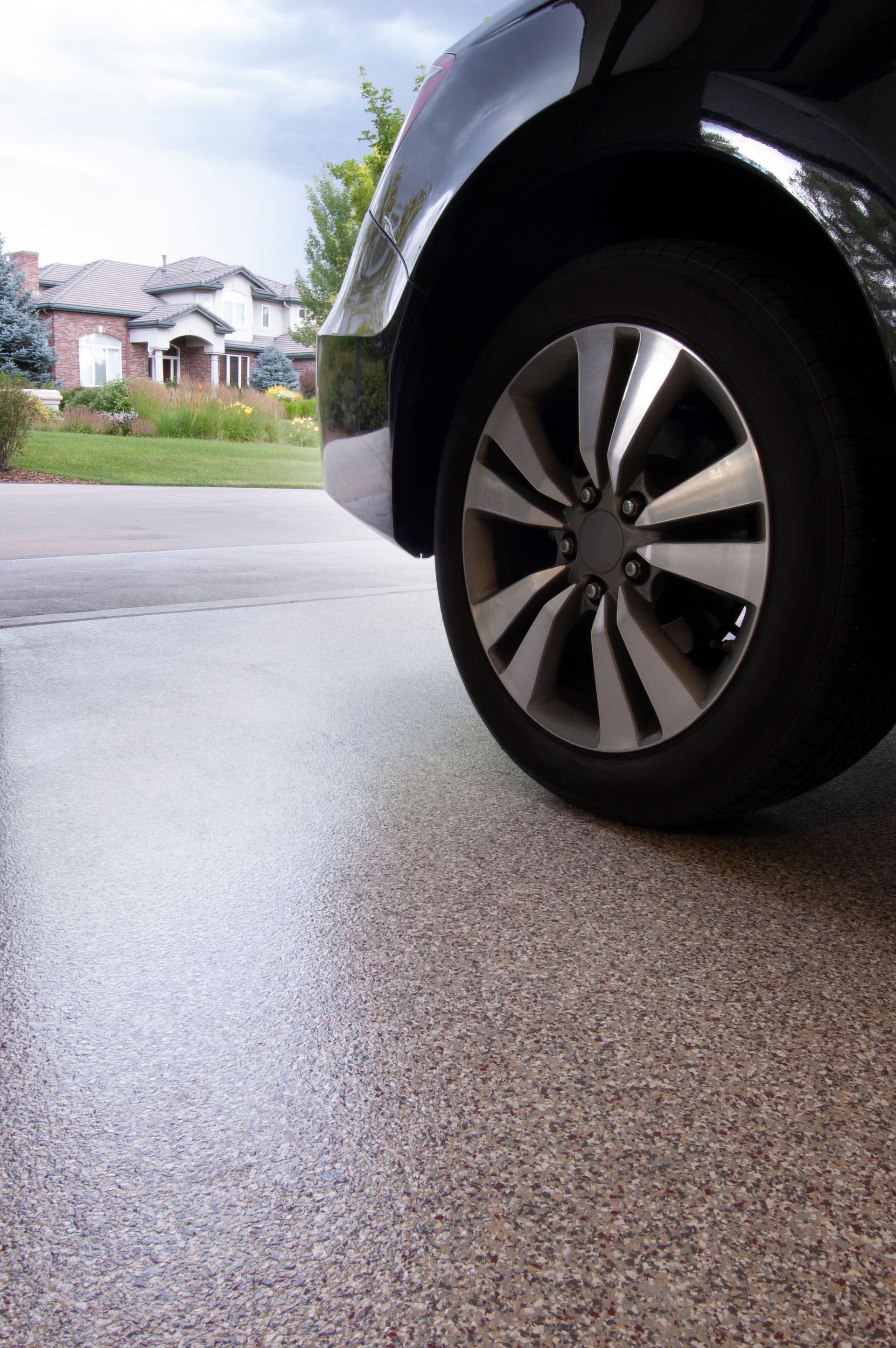
Flooring plays a bigger role in branding than many businesses realize. The look and feel of a space can influence how customers perceive a brand, and epoxy offers a high level of customization to support that. From high-gloss finishes to decorative flakes and metallic designs, commercial epoxy flooring can be tailored to match a company’s identity. It turns a functional surface into a visual asset.
Beyond aesthetics, epoxy can also improve lighting conditions. Its reflective properties help distribute light more effectively, making spaces appear brighter and more open. This can enhance both customer experience and employee productivity. Whether it is a retail showroom or a corporate lobby, epoxy flooring allows businesses to create environments that feel intentional and cohesive.
Meeting The Environmental and Operational Demands of Modern Facilities
Sustainability and operational efficiency are becoming central considerations in facility management. Epoxy flooring aligns with both by offering long-term durability and reducing the need for frequent material replacement. Many modern formulations also feature low-VOC content, which supports better indoor air quality during and after installation. This makes it a practical choice for businesses focused on environmental responsibility.
Operationally, epoxy simplifies maintenance routines. Regular cleaning requires minimal effort, and the surface resists stains, chemicals, and moisture. This reduces the need for specialized cleaning products or intensive labor. Over time, these efficiencies contribute to lower operating costs and a more streamlined facility management process.
Driving The Adoption and Innovation Across Industries
The growing adoption of commercial epoxy flooring is not limited to one sector. Healthcare facilities value its sanitation benefits, while industrial operations rely on its durability under pressure. Retail and hospitality spaces use it to enhance aesthetics while maintaining performance. This versatility is a major reason epoxy continues to gain ground across industries.
At the same time, innovation is pushing the material even further. Advances in formulation have improved curing times, environmental performance, and resistance to extreme conditions. These developments make epoxy more accessible and practical for a wider range of applications. As more businesses experience its benefits firsthand, adoption continues to accelerate.
Commercial epoxy flooring is gaining ground because it delivers where modern facilities need it most—durability, efficiency, safety, and design flexibility. It is not just a flooring solution; it is a strategic investment that supports long-term operational goals. As businesses continue to prioritize performance and cost control, epoxy stands out as a dependable option that meets both immediate and future needs.
For facilities looking to upgrade their flooring with a solution built for long-term durability and consistent performance, commercial epoxy flooring offers a practical and forward-thinking investment. It not only enhances the strength and appearance of your space but also reduces maintenance demands and operational disruptions over time. Whether you manage a warehouse, healthcare facility, retail space, or industrial site, choosing the right flooring can directly impact efficiency, safety, and overall costs. To explore tailored solutions that align with your facility’s needs and goals, contact Hoffman Flooring by ENECON NE LLC today.